

Free paper practice
RE-NEET 2026 – PYQ Practice
NEET UG (National Eligibility cum Entrance Test) • 2026 • 180 Questions • Free practice
Q1Physics
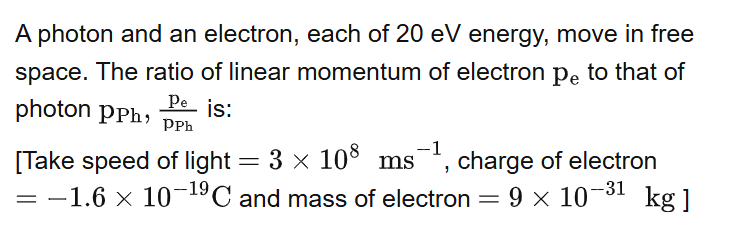
A. 275
B. 
C. 
D. 225
View answer and available explanation
Correct Option: D
Answer D follows the ExamSIDE indexed key. See the credited source; not independently verified against an official final key.
Q2Physics
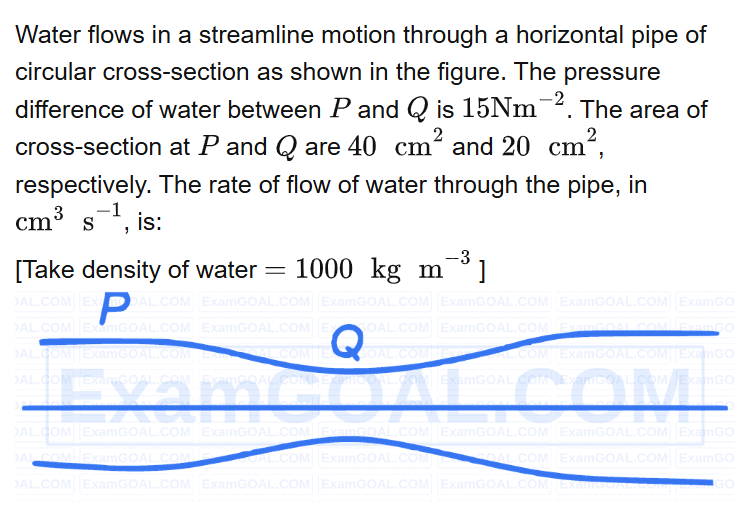
A. 400
B. 100
C. 200
D. 300
View answer and available explanation
Correct Option: A
Answer A follows the ExamSIDE indexed key. See the credited source; not independently verified against an official final key.
Q3Physics
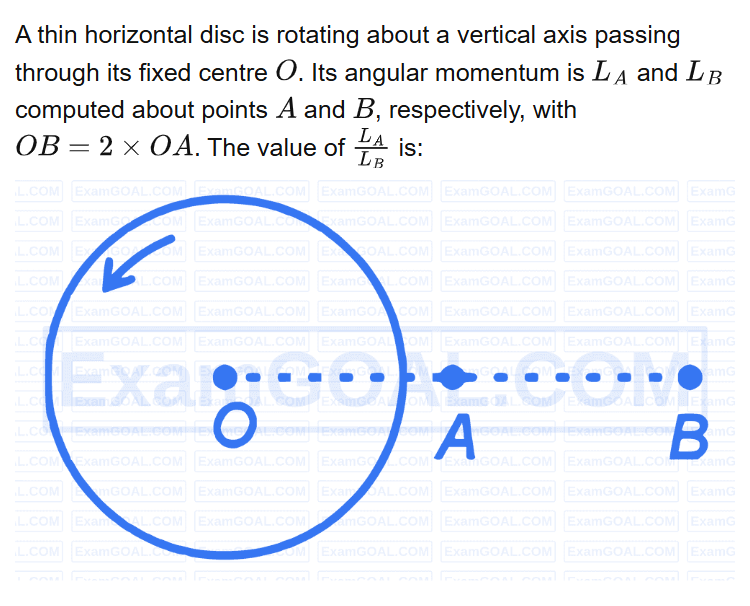
A. 2
B. 
C. 
D. 1
View answer and available explanation
Correct Option: D
Answer D follows the ExamSIDE indexed key. See the credited source; not independently verified against an official final key.
Q4Physics
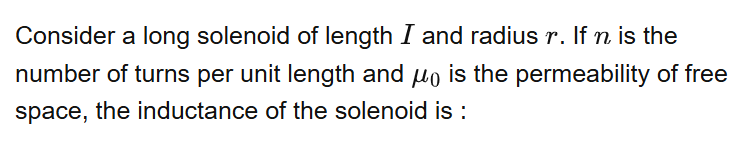
A. 
B. 
C. 
D. 
View answer and available explanation
Correct Option: B
Answer B follows the ExamSIDE indexed key. See the credited source; not independently verified against an official final key.
Q5Physics
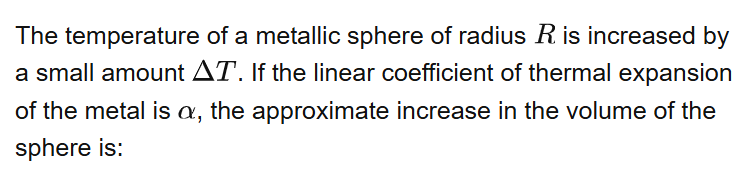
A. 
B. 
C. 
D. 
View answer and available explanation
Correct Option: D
Answer D follows the ExamSIDE indexed key. See the credited source; not independently verified against an official final key.
Q6Physics
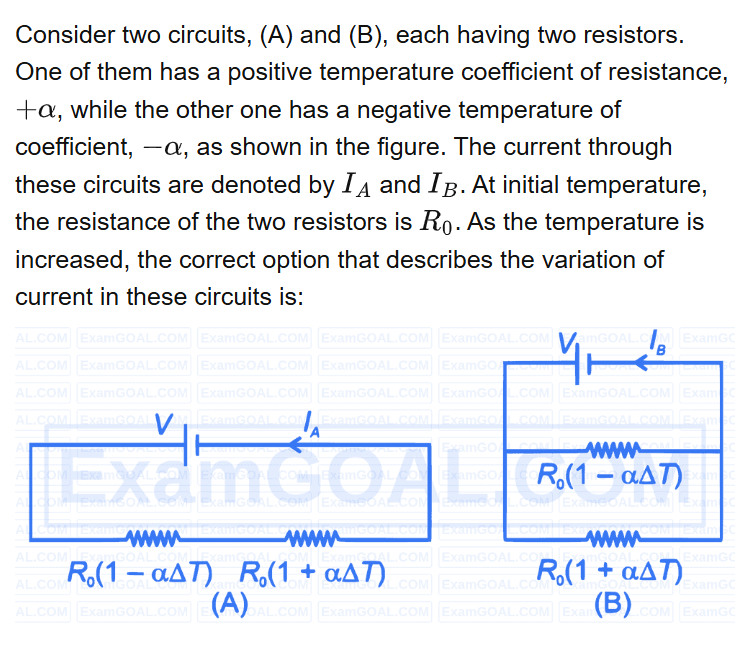
A. 
B. 
C. 
D. 
View answer and available explanation
Correct Option: B
Answer B follows the ExamSIDE indexed key. See the credited source; not independently verified against an official final key.
Q7Physics
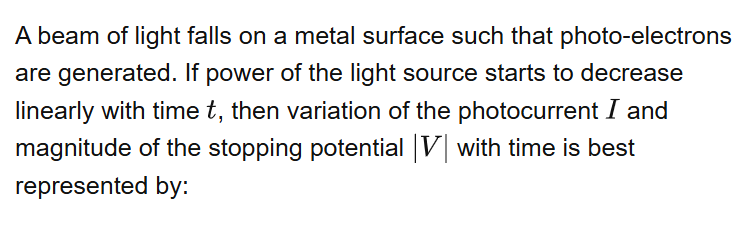
A. 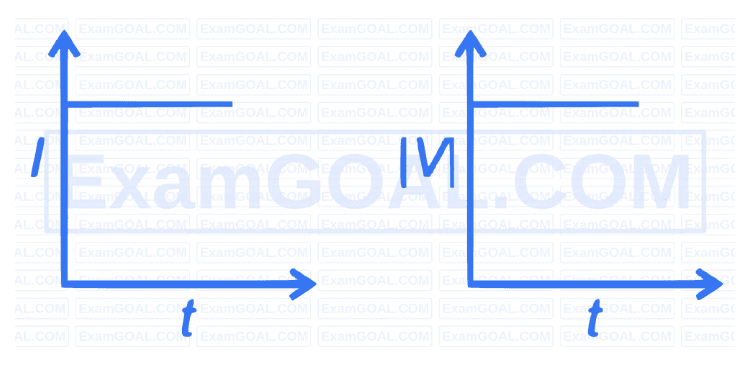
B. 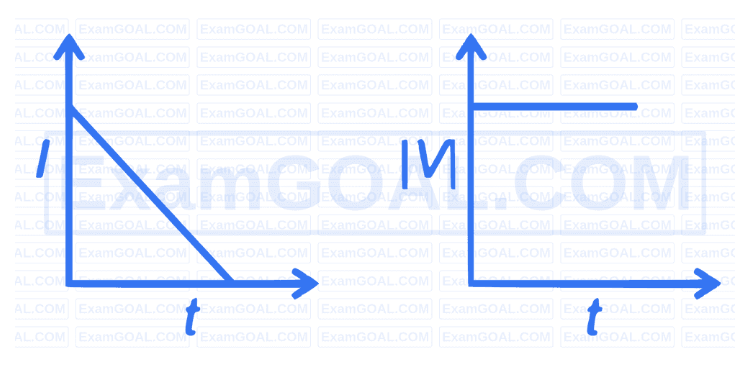
C. 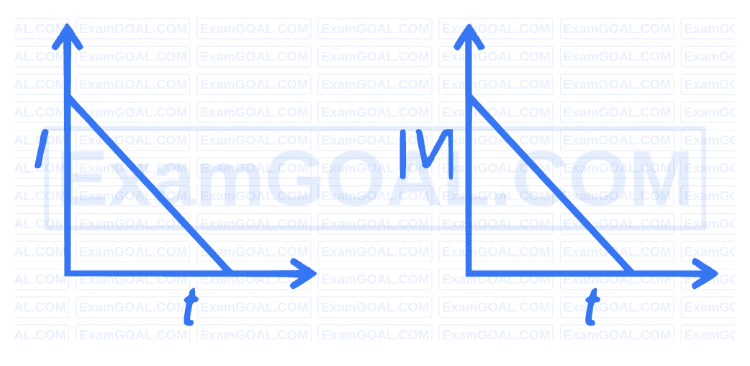
D. 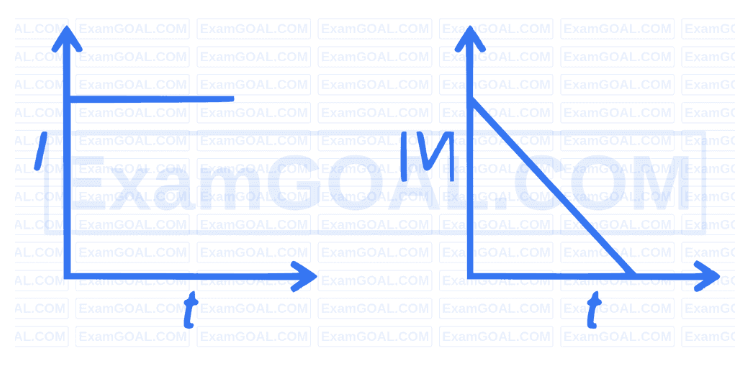
View answer and available explanation
Correct Option: B
Answer B follows the ExamSIDE indexed key. See the credited source; not independently verified against an official final key.
Q8Physics
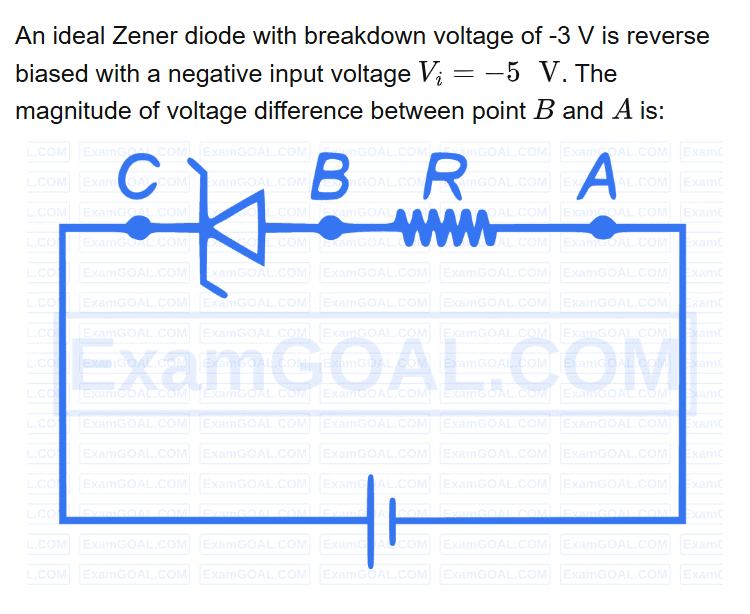
A. 0 V
B. 3 V
C. 2 V
D. 1 V
View answer and available explanation
Correct Option: C
Answer C follows the ExamSIDE indexed key. See the credited source; not independently verified against an official final key.
Q9Physics
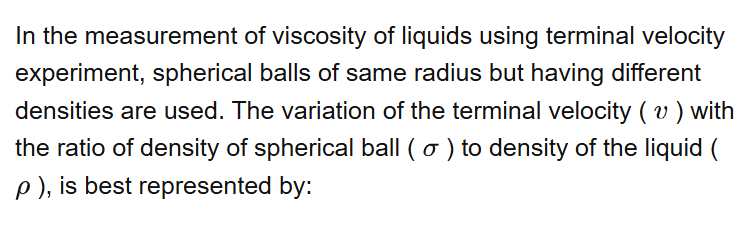
A. 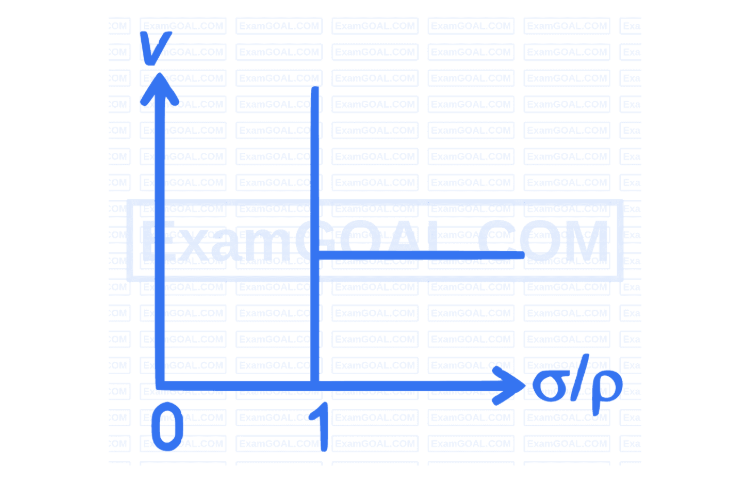
B. 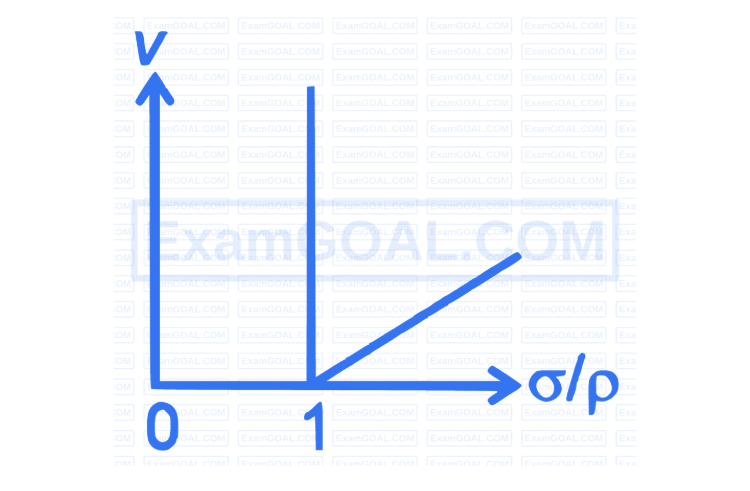
C. 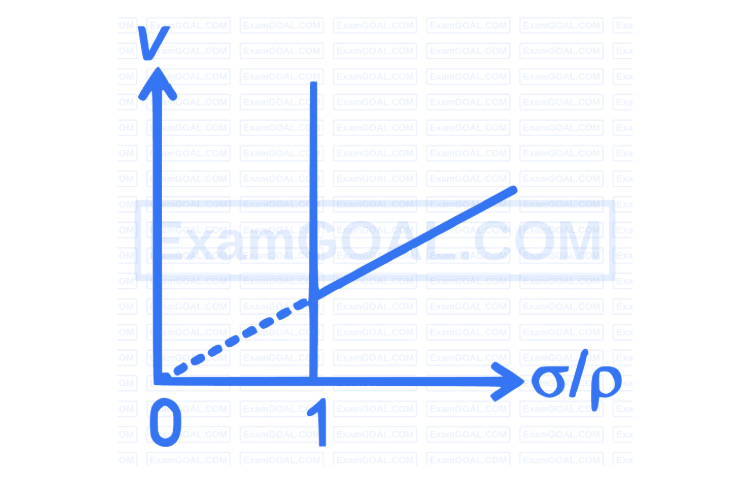
D. 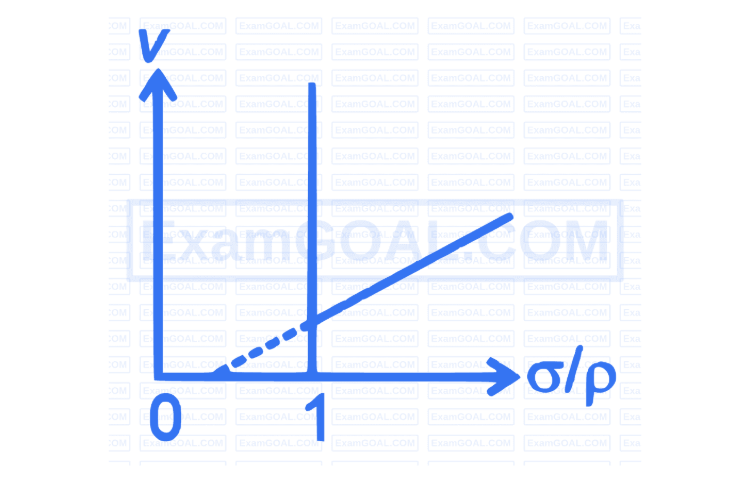
View answer and available explanation
Correct Option: B
Answer B follows the ExamSIDE indexed key. See the credited source; not independently verified against an official final key.
Q10Physics
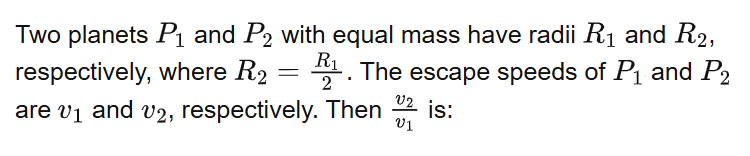
A. 2
B. 
C. 1
D. 
View answer and available explanation
Correct Option: D
Answer D follows the ExamSIDE indexed key. See the credited source; not independently verified against an official final key.
Q11Physics
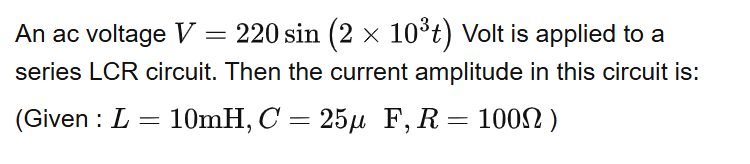
A. 22.0 A
B. 2.2 A
C. 5.5 A
D. 11.0 A
View answer and available explanation
Correct Option: B
Answer B follows the ExamSIDE indexed key. See the credited source; not independently verified against an official final key.
Q12Physics
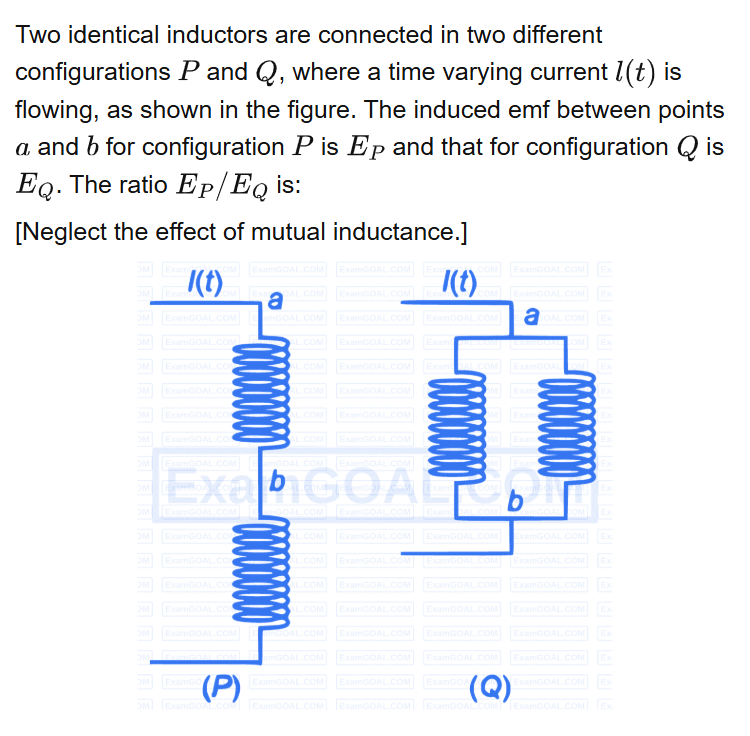
A. 2
B. 
C. 
D. 1
View answer and available explanation
Correct Option: A
Answer A follows the ExamSIDE indexed key. See the credited source; not independently verified against an official final key.
Q13Physics
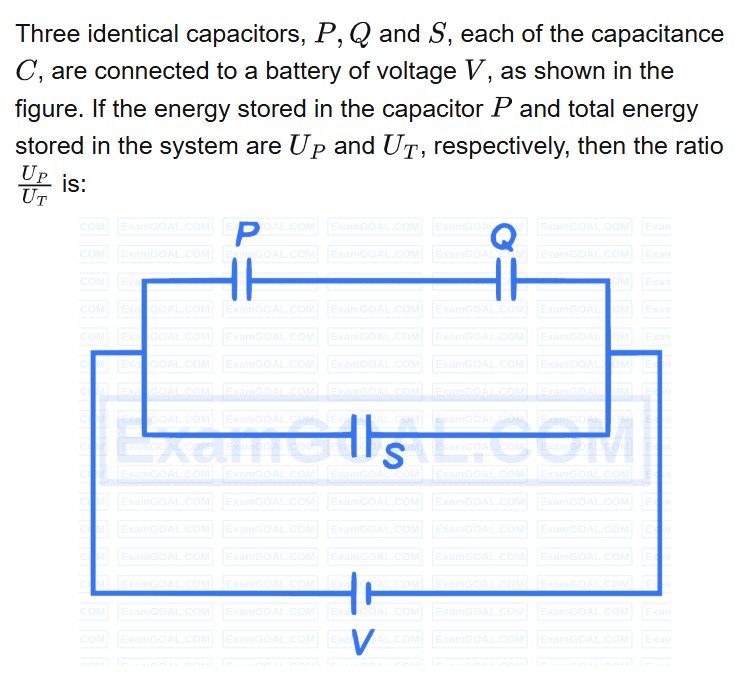
A. 
B. 
C. 
D. 
View answer and available explanation
Correct Option: A
Answer A follows the ExamSIDE indexed key. See the credited source; not independently verified against an official final key.
Q14Physics
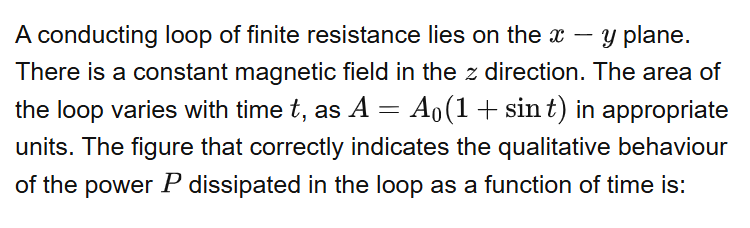
A. 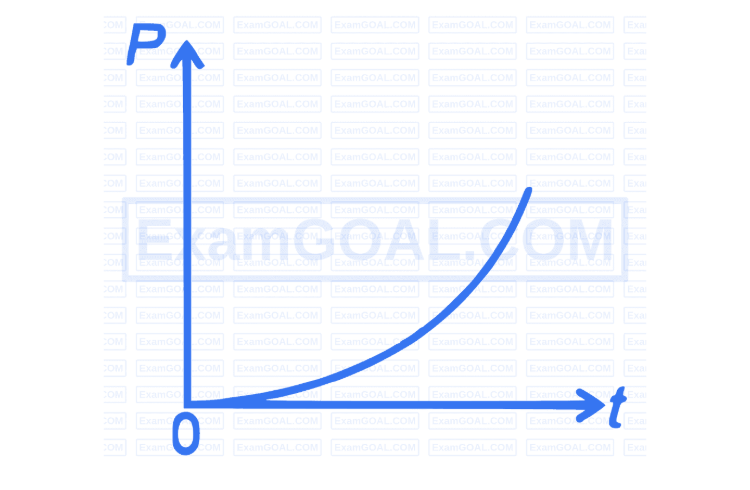
B. 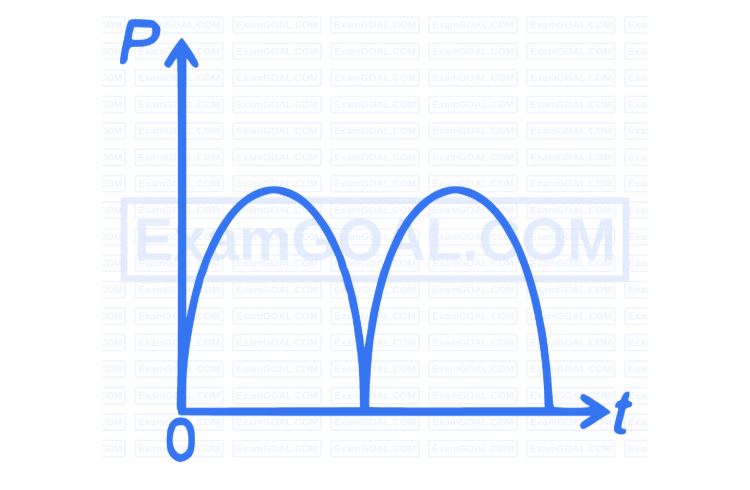
C. 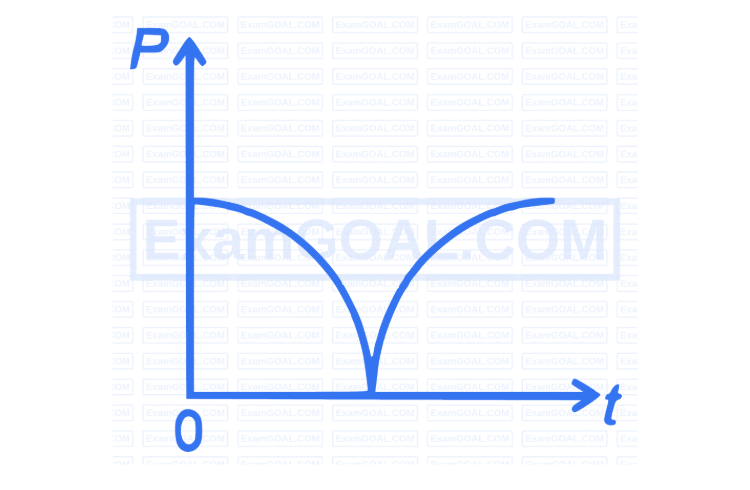
D. 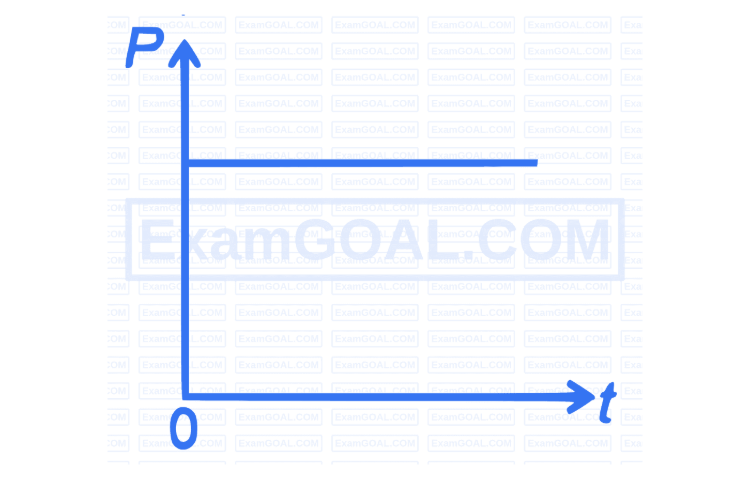
View answer and available explanation
Correct Option: C
Answer C follows the ExamSIDE indexed key. See the credited source; not independently verified against an official final key.
Q15Physics
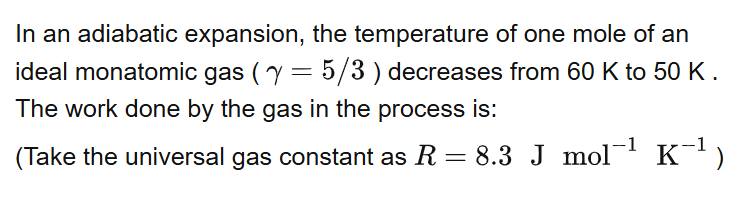
A. 166 J
B. 41.5 J
C. 83 J
D. 124.5 J
View answer and available explanation
Correct Option: D
Answer D follows the ExamSIDE indexed key. See the credited source; not independently verified against an official final key.
Q16Physics
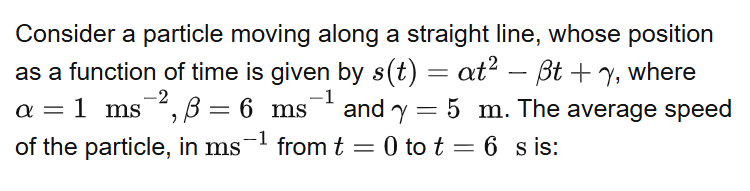
A. 0
B. 12
C. 6
D. 3
View answer and available explanation
Correct Option: D
Answer D follows the ExamSIDE indexed key. See the credited source; not independently verified against an official final key.
Q17Physics
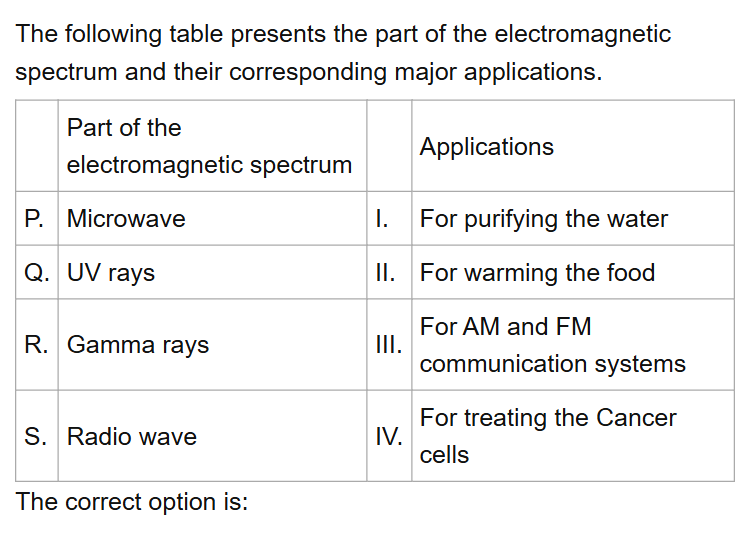
A. P-II, Q-IV, R-III, S-I
B. P-I, Q-II, R-III, S-IV
C. P-I, Q-IV, R-II, S-III
D. P-II, Q-I, R-IV, S-III
View answer and available explanation
Correct Option: D
Answer D follows the ExamSIDE indexed key. See the credited source; not independently verified against an official final key.
Q18Physics
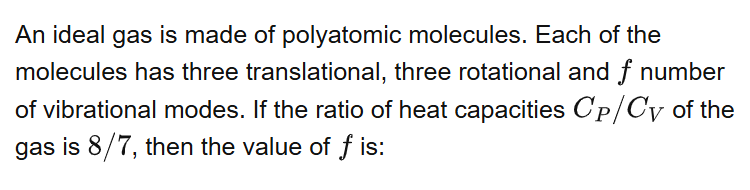
A. 1
B. 4
C. 3
D. 2
View answer and available explanation
Correct Option: B
Answer B follows the ExamSIDE indexed key. See the credited source; not independently verified against an official final key.
Q19Physics
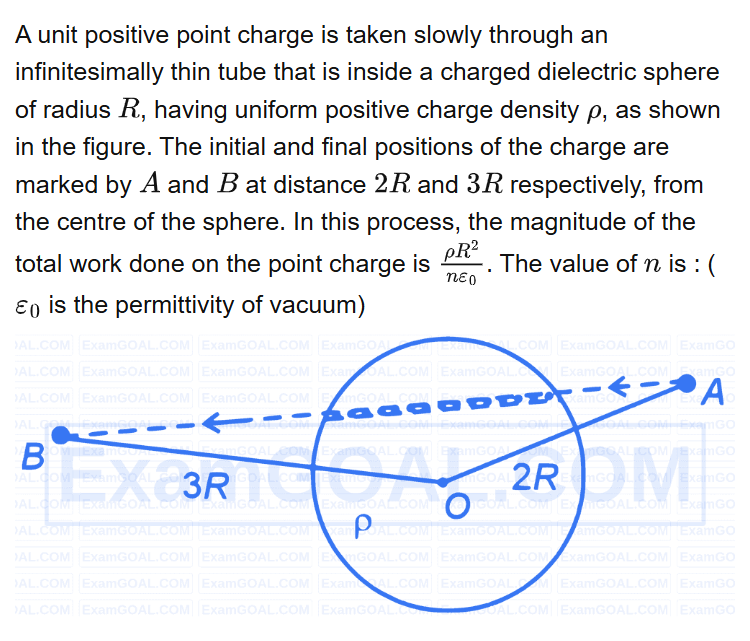
A. 18
B. 2
C. 6
D. 9
View answer and available explanation
Correct Option: A
Answer A follows the ExamSIDE indexed key. See the credited source; not independently verified against an official final key.
Q20Physics
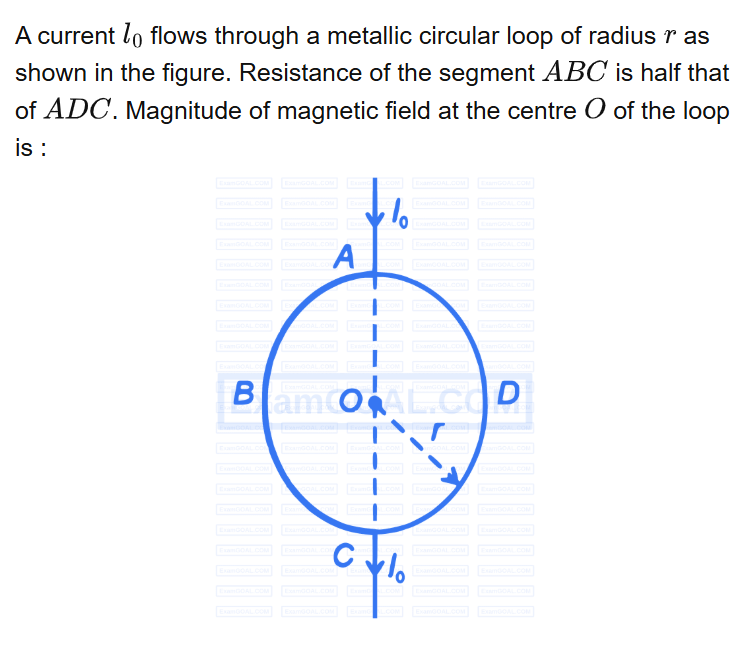
A. 
B. 
C. 
D. 
View answer and available explanation
Correct Option: B
Answer B follows the ExamSIDE indexed key. See the credited source; not independently verified against an official final key.
Q21Physics
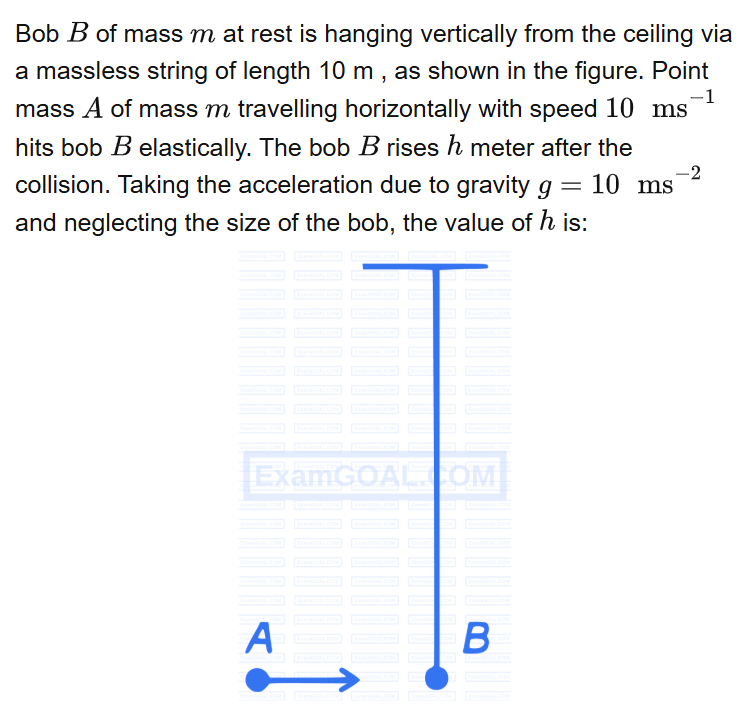
A. 2.5
B. 8
C. 7
D. 5
View answer and available explanation
Correct Option: D
Answer D follows the ExamSIDE indexed key. See the credited source; not independently verified against an official final key.
Q22Physics
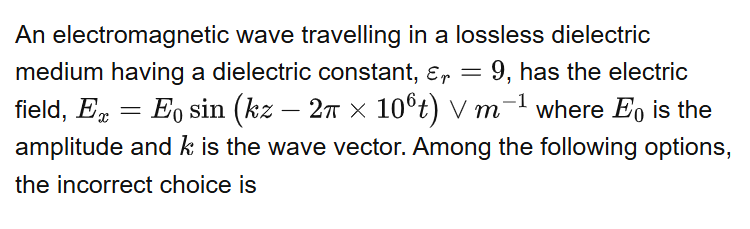
A. 
B. 
C. The wavelength of the electromagnetic wave inside the medium is 300 m
D. 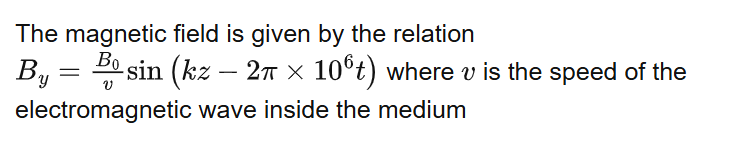
View answer and available explanation
Correct Option: C
Answer C follows the ExamSIDE indexed key. See the credited source; not independently verified against an official final key.
Q23Physics
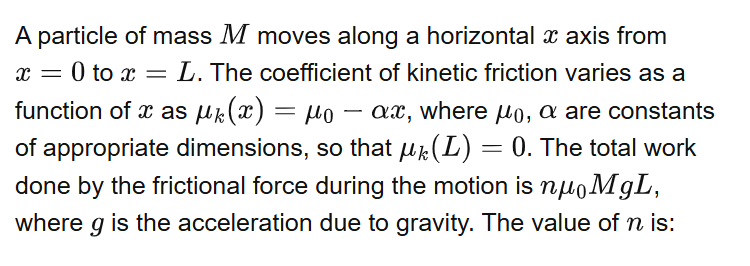
A. 
B. 3
C. 1
D. 
View answer and available explanation
Correct Option: A
Answer A follows the ExamSIDE indexed key. See the credited source; not independently verified against an official final key.
Q24Physics
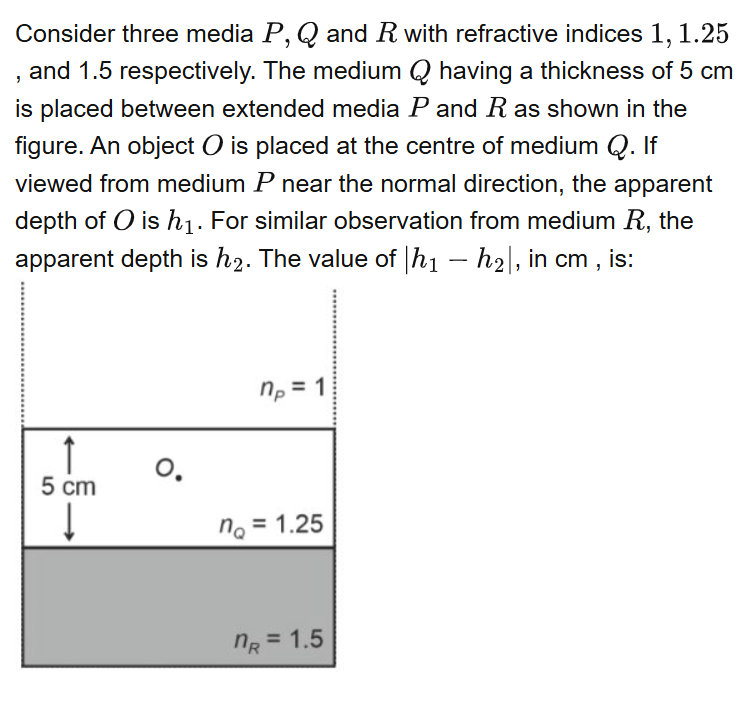
A. 3
B. 0
C. 1
D. 2
View answer and available explanation
Correct Option: C
Answer C follows the ExamSIDE indexed key. See the credited source; not independently verified against an official final key.
Q25Physics
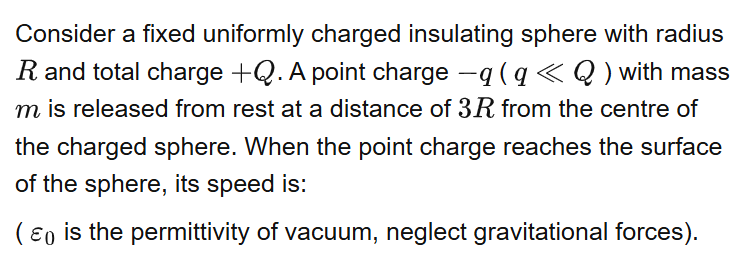
A. 
B. 
C. 
D. 
View answer and available explanation
Correct Option: D
Answer D follows the ExamSIDE indexed key. See the credited source; not independently verified against an official final key.
Q26Physics
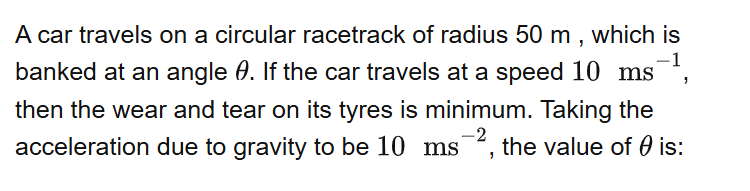
A. 
B. 
C. 
D. 
View answer and available explanation
Correct Option: B
Answer B follows the ExamSIDE indexed key. See the credited source; not independently verified against an official final key.
Q27Physics
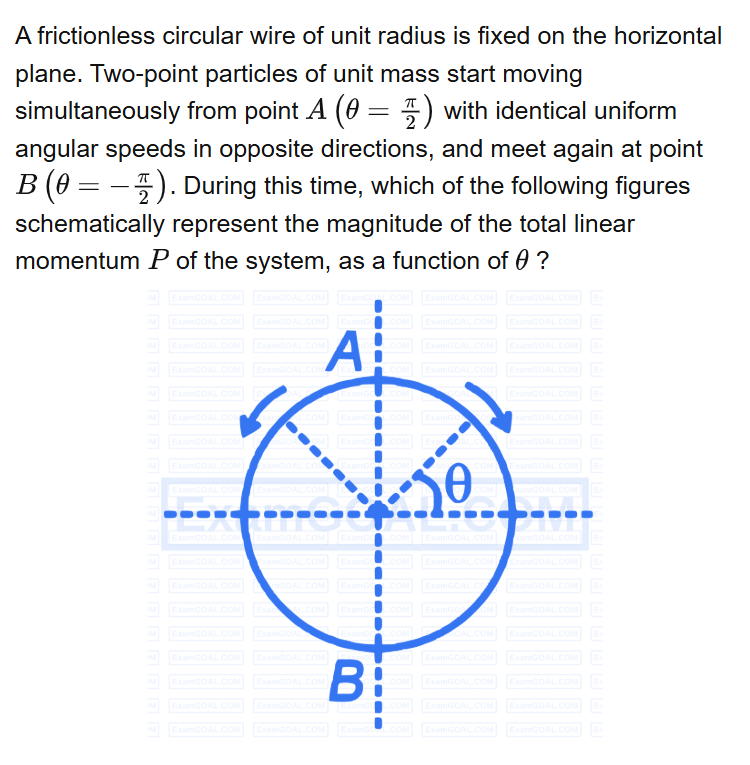
A. 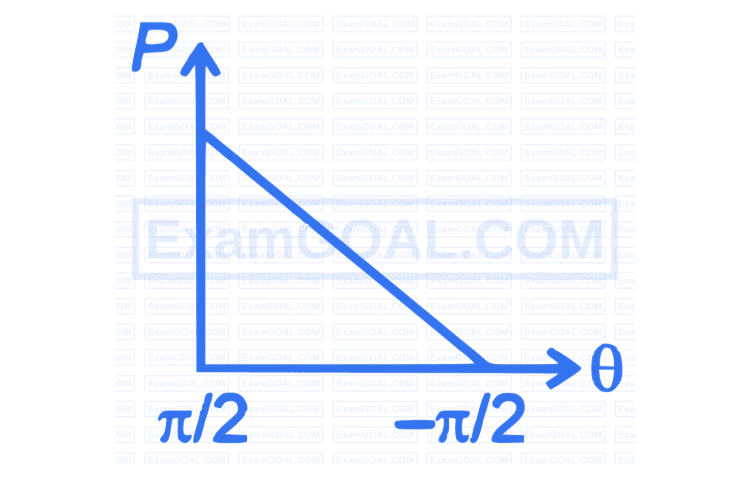
B. 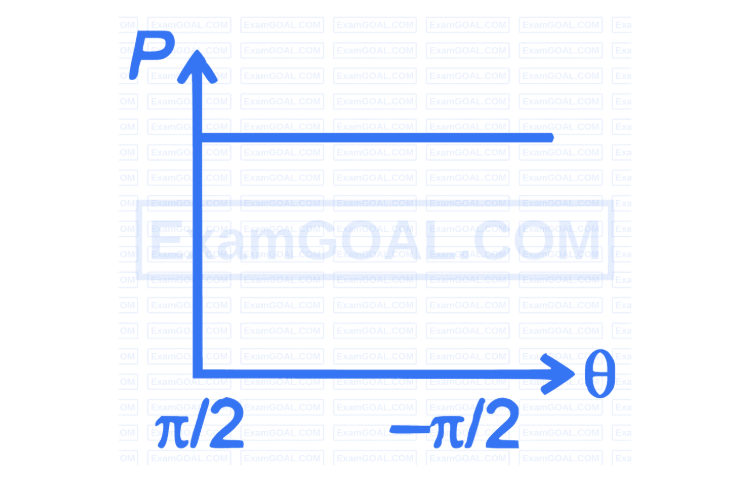
C. 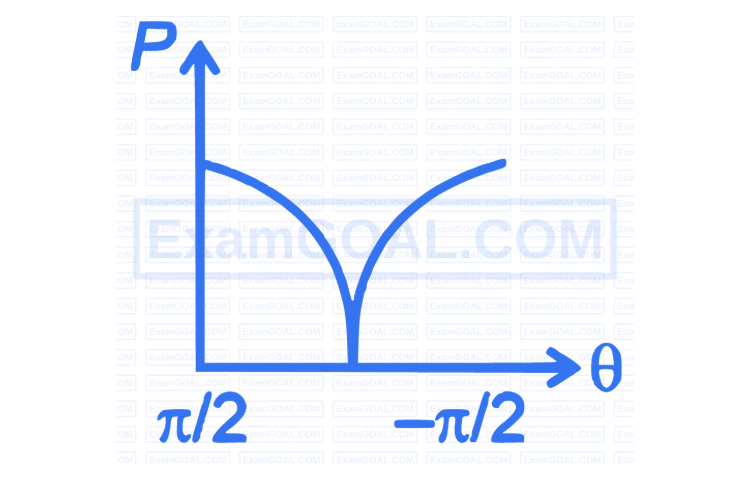
D. 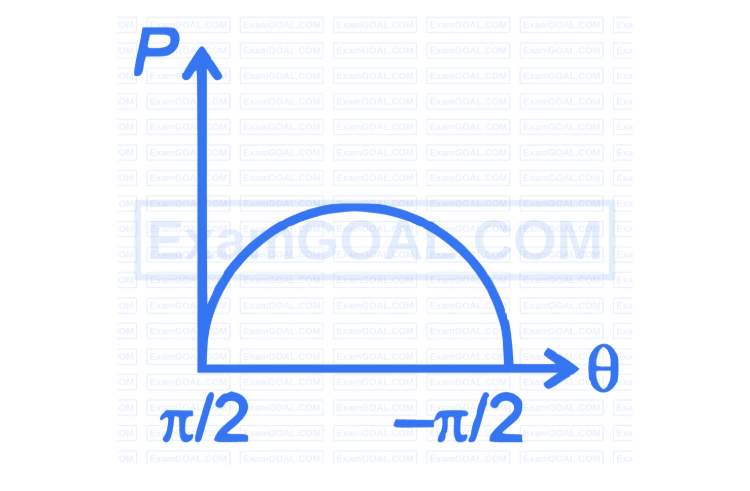
View answer and available explanation
Correct Option: D
Answer D follows the ExamSIDE indexed key. See the credited source; not independently verified against an official final key.
Q28Physics
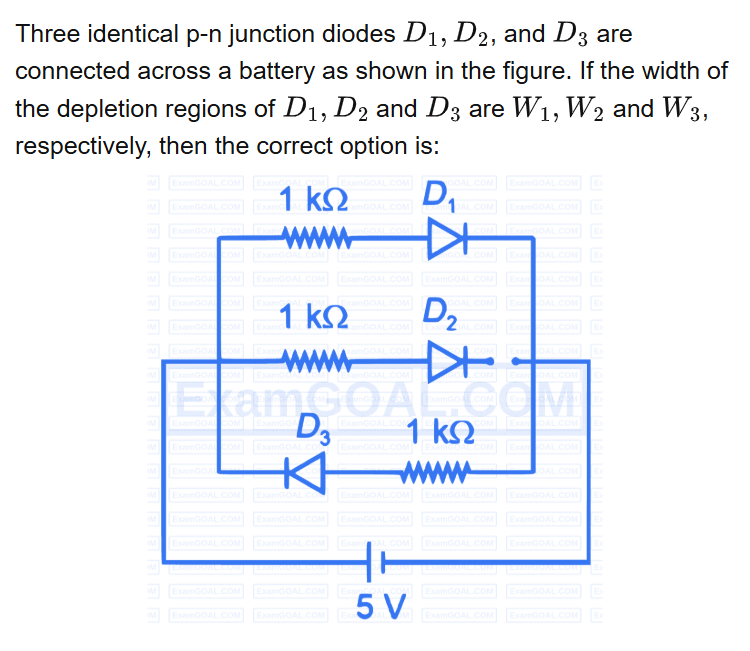
A. 
B. 
C. 
D. 
View answer and available explanation
Correct Option: D
Answer D follows the ExamSIDE indexed key. See the credited source; not independently verified against an official final key.
Q29Physics
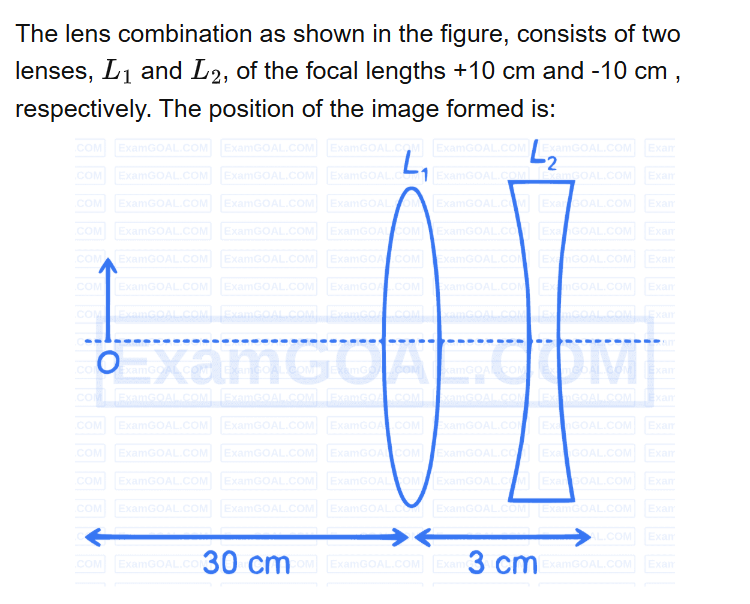
A. 60 cm to the right of the concave lens
B. 20 cm to the left of the concave lens
C. 60 cm to the left of the concave lens
D. 30 cm to the right of the concave lens
View answer and available explanation
Correct Option: C
Answer C follows the ExamSIDE indexed key. See the credited source; not independently verified against an official final key.
Q30Physics
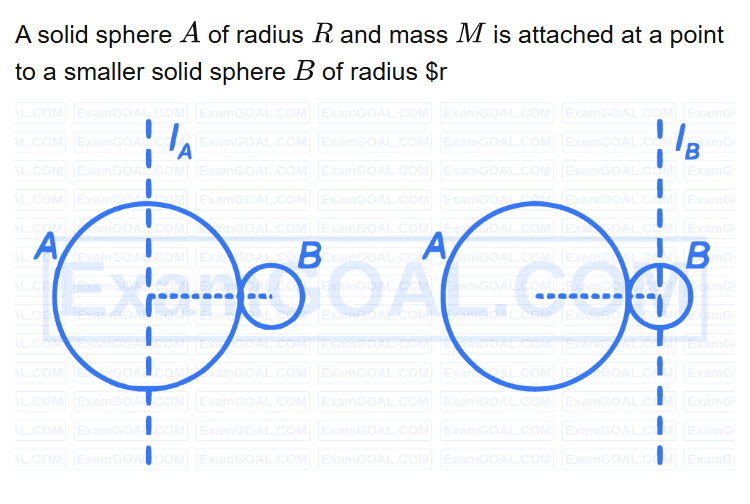
A. 0
B. 
C. 
D. 
View answer and available explanation
Correct Option: C
Answer C follows the ExamSIDE indexed key. See the credited source; not independently verified against an official final key.
Q31Physics
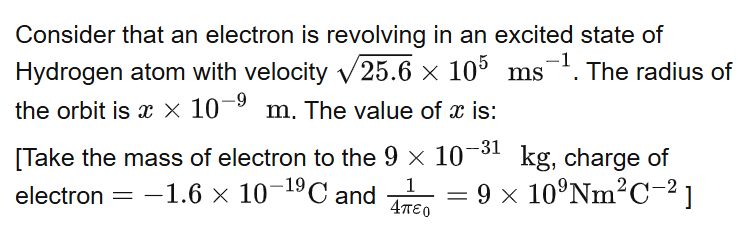
A. 1
B. 4
C. 3
D. 2
View answer and available explanation
Correct Option: A
Answer A follows the ExamSIDE indexed key. See the credited source; not independently verified against an official final key.
Q32Physics
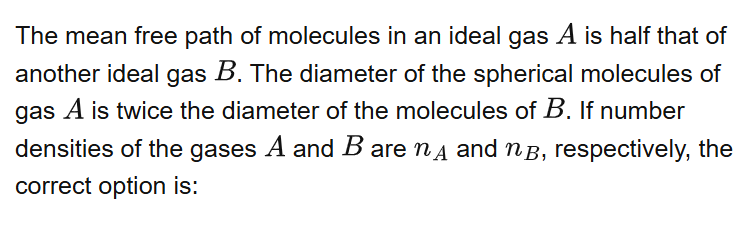
A. 
B. 
C. 
D. 
View answer and available explanation
Correct Option: A
Answer A follows the ExamSIDE indexed key. See the credited source; not independently verified against an official final key.
Q33Physics
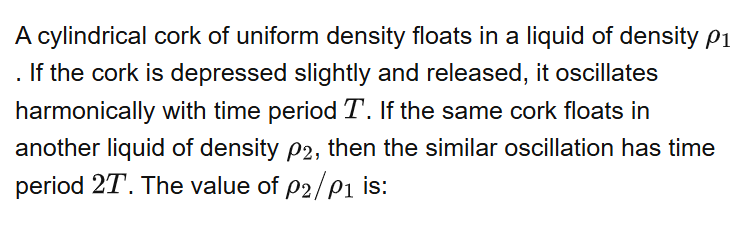
A. 1/4
B. 4
C. 2
D. 
View answer and available explanation
Correct Option: A
Answer A follows the ExamSIDE indexed key. See the credited source; not independently verified against an official final key.
Q34Physics
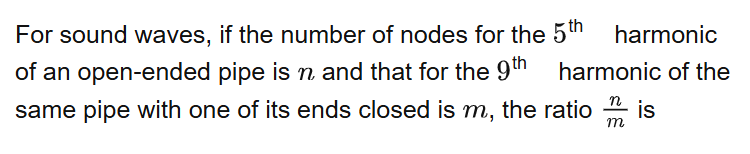
A. 
B. 
C. 
D. 1
View answer and available explanation
Correct Option: D
Answer D follows the ExamSIDE indexed key. See the credited source; not independently verified against an official final key.
Q35Physics
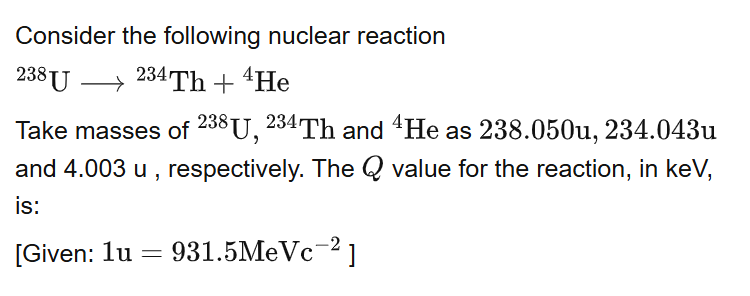
A. 3740
B. 3726
C. 3730
D. 3736
View answer and available explanation
Correct Option: B
Answer B follows the ExamSIDE indexed key. See the credited source; not independently verified against an official final key.
Q36Physics
Which of the following measurements require 'index correction'?
A. Measurement of speed of sound using resonance tube
B. Measurement of resistance of a wire using meter bridge
C. Measurement of gravitational acceleration using simple pendulum
D. Measurement of focal length of lenses using optical bench
View answer and available explanation
Correct Option: D
Answer D follows the ExamSIDE indexed key. See the credited source; not independently verified against an official final key.
Q37Physics

A. 
B. 
C. 
D. 
View answer and available explanation
Correct Option: C
Answer C follows the ExamSIDE indexed key. See the credited source; not independently verified against an official final key.
Q38Physics
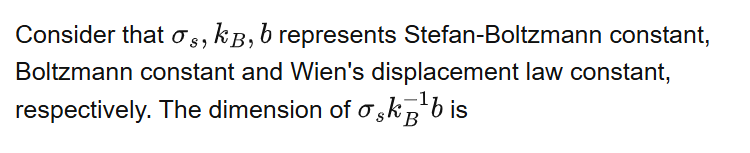
A. 
B. 
C. 
D. 
View answer and available explanation
Correct Option: B
Answer B follows the ExamSIDE indexed key. See the credited source; not independently verified against an official final key.
Q39Physics
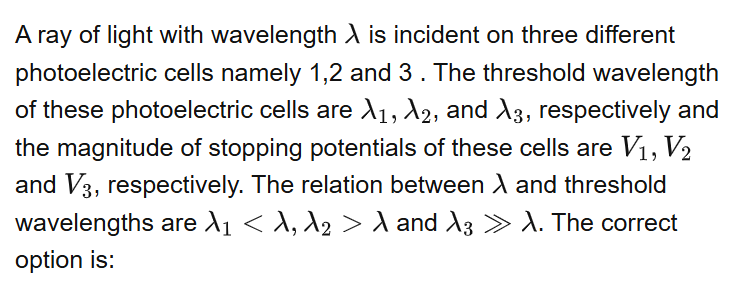
A. 
B. 
C. 
D. 
View answer and available explanation
Correct Option: B
Answer B follows the ExamSIDE indexed key. See the credited source; not independently verified against an official final key.
Q40Physics
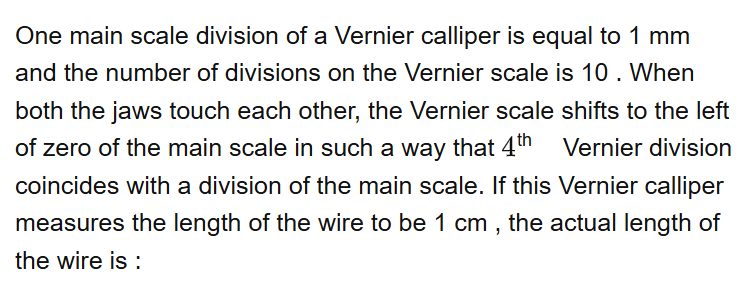
A. 1.04 cm
B. 0.60 cm
C. 0.96 cm
D. 1.00 cm
View answer and available explanation
Correct Option: A
Answer A follows the ExamSIDE indexed key. See the credited source; not independently verified against an official final key.
Q41Physics
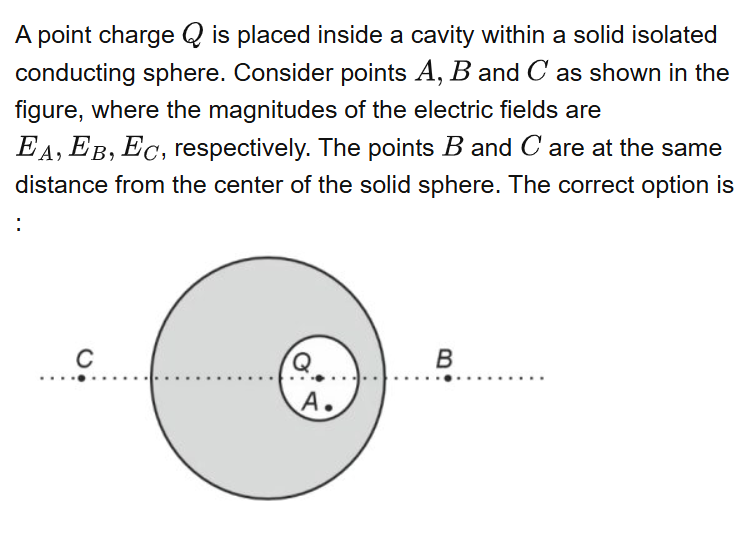
A. 
B. 
C. 
D. 
View answer and available explanation
Correct Option: C
Answer C follows the ExamSIDE indexed key. See the credited source; not independently verified against an official final key.
Q42Physics
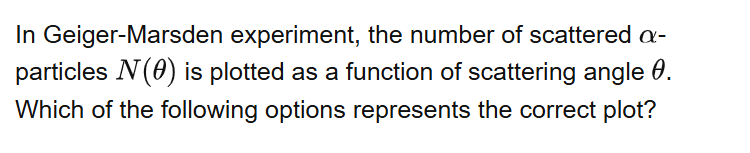
A. 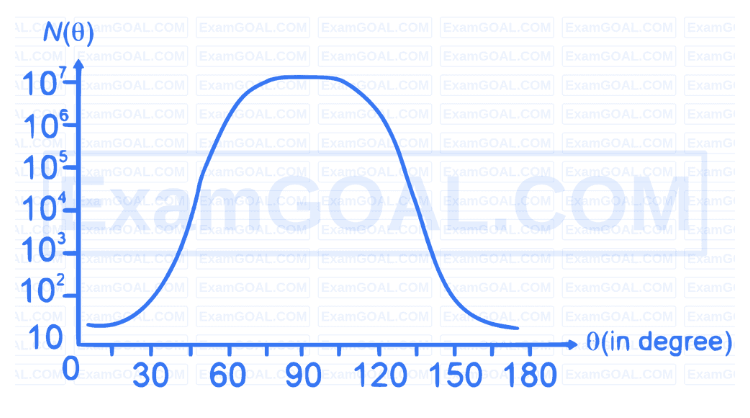
B. 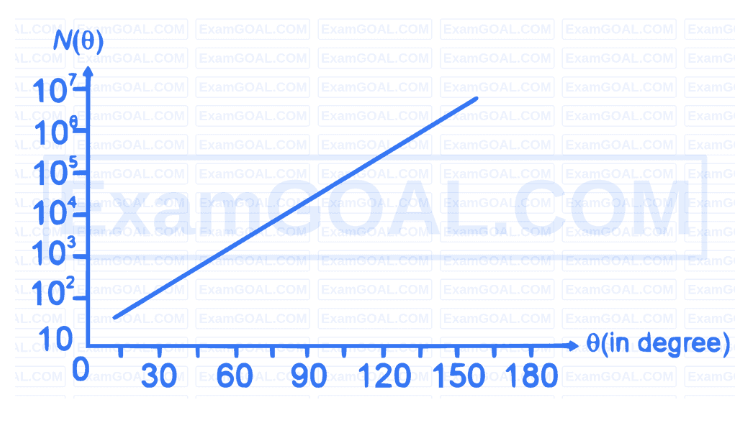
C. 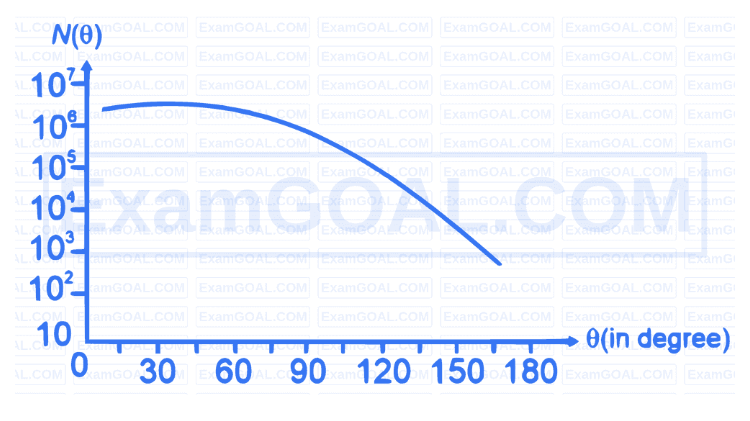
D. 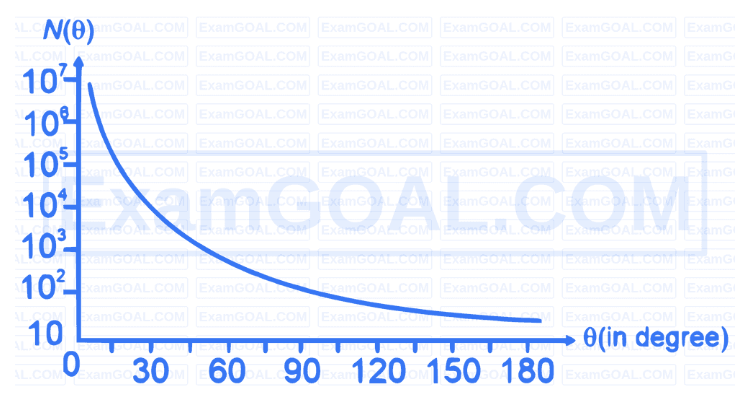
View answer and available explanation
Correct Option: D
Answer D follows the ExamSIDE indexed key. See the credited source; not independently verified against an official final key.
Q43Physics
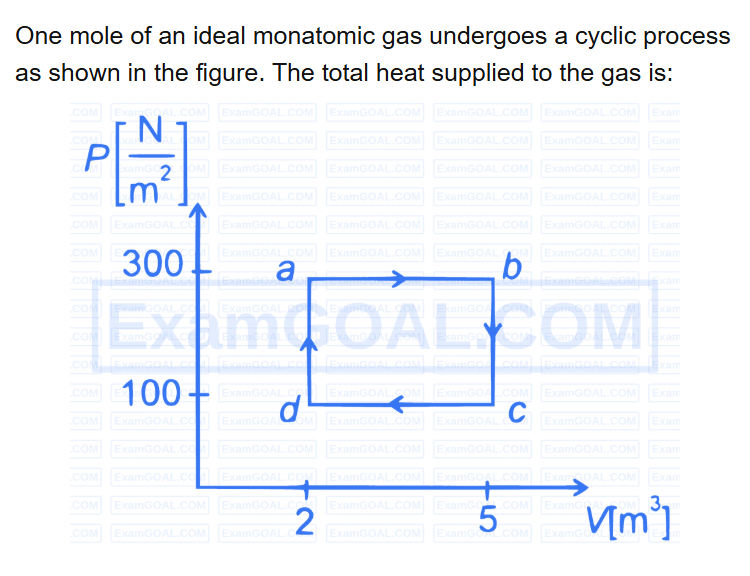
A. 800 J
B. 400 J
C. 500 J
D. 600 J
View answer and available explanation
Correct Option: D
Answer D follows the ExamSIDE indexed key. See the credited source; not independently verified against an official final key.
Q44Physics
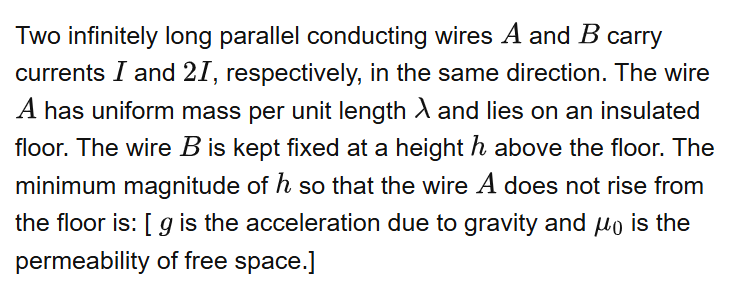
A. 
B. 
C. 
D. 
View answer and available explanation
Correct Option: C
Answer C follows the ExamSIDE indexed key. See the credited source; not independently verified against an official final key.
Q45Physics
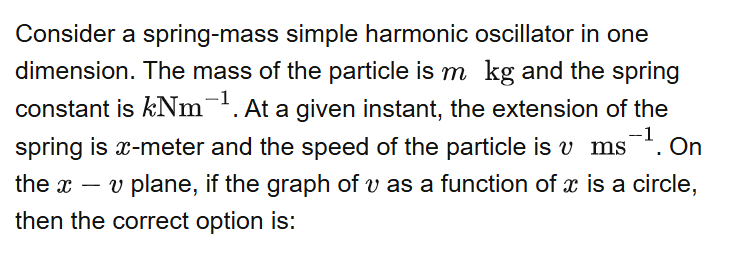
A. 
B. 
C. 
D. 
View answer and available explanation
Correct Option: C
Answer C follows the ExamSIDE indexed key. See the credited source; not independently verified against an official final key.
Q46Chemistry
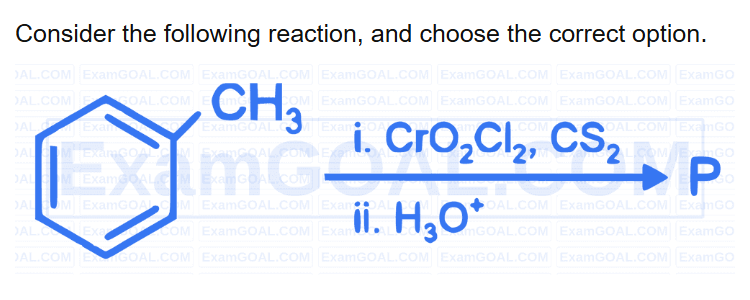
A. 
B. 
C. 
D. 
View answer and available explanation
Correct Option: A
Answer A follows the ExamSIDE indexed key. See the credited source; not independently verified against an official final key.
Q47Chemistry
The formula of tetraammineaquachloridocobalt(III) chloride is
A. 
B. 
C. 
D. 
View answer and available explanation
Correct Option: A
Answer A follows the ExamSIDE indexed key. See the credited source; not independently verified against an official final key.
Q48Chemistry
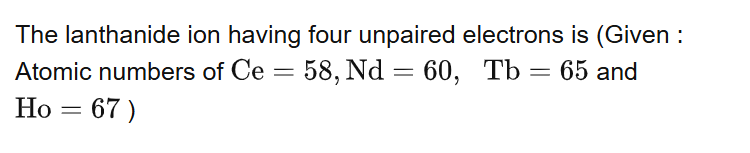
A. 
B. 
C. 
D. 
View answer and available explanation
Correct Option: A
Answer A follows the ExamSIDE indexed key. See the credited source; not independently verified against an official final key.
Q49Chemistry
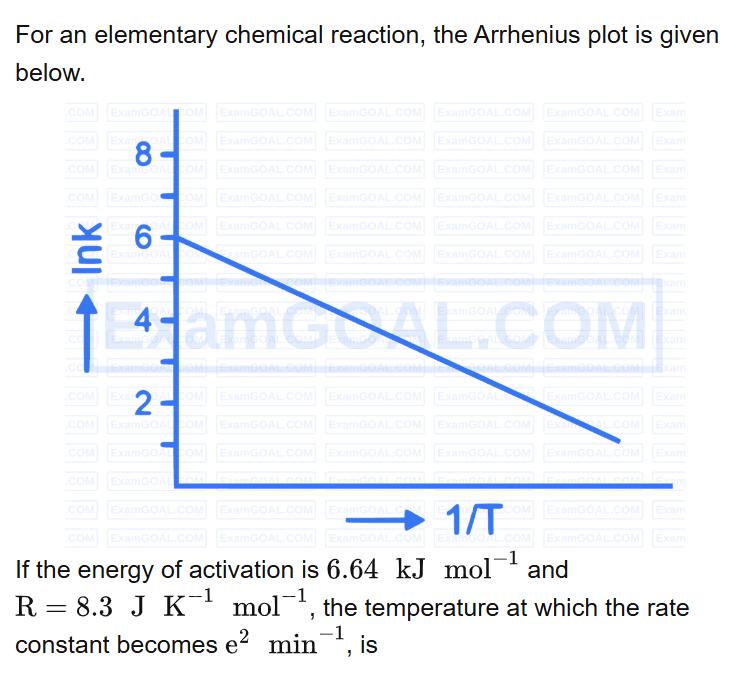
A. 250 K
B. 125 K
C. 150 K
D. 200 K
View answer and available explanation
Correct Option: D
Answer D follows the ExamSIDE indexed key. See the credited source; not independently verified against an official final key.
Q50Chemistry

A. 
B. 
C. 
D. MnO
View answer and available explanation
Correct Option: B
Answer B follows the ExamSIDE indexed key. See the credited source; not independently verified against an official final key.
Q51Chemistry
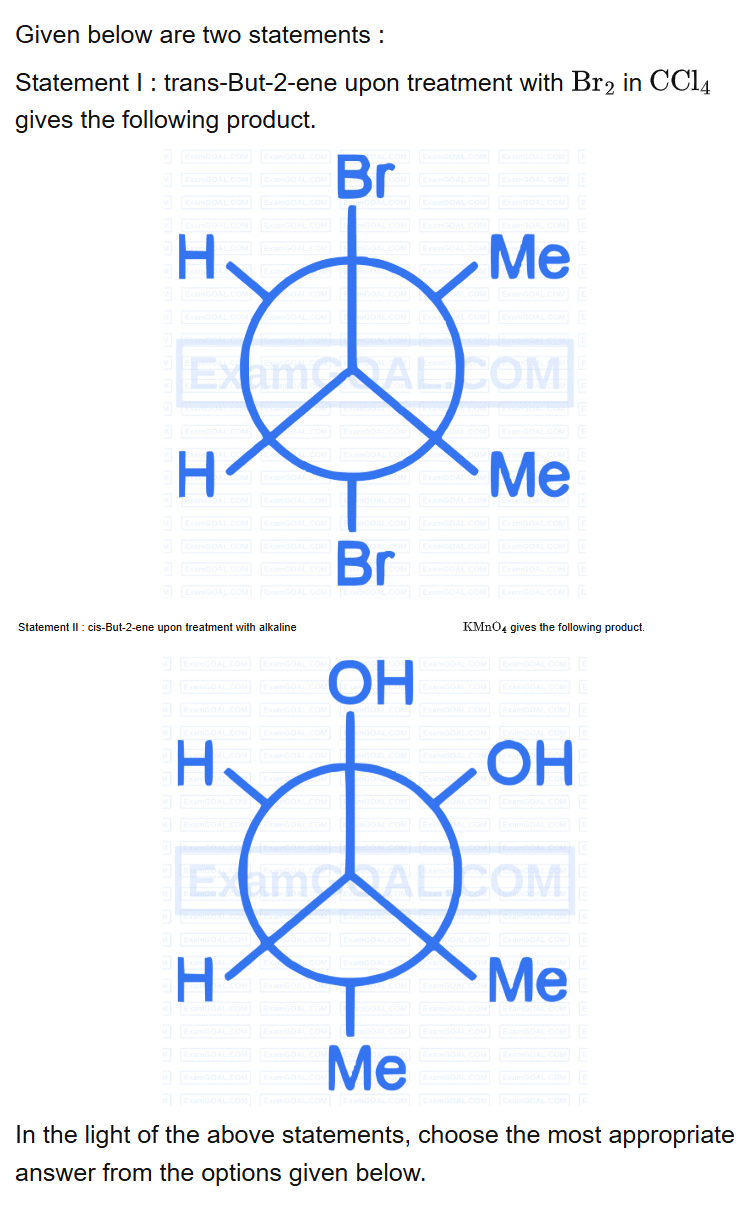
A. Statement I is incorrect but Statement II is correct
B. Both Statement I and Statement II are correct
C. Both Statement I and Statement II are incorrect
D. Statement I is correct but Statement II is incorrect
View answer and available explanation
Correct Option: A
Answer A follows the ExamSIDE indexed key. See the credited source; not independently verified against an official final key.
Q52Chemistry
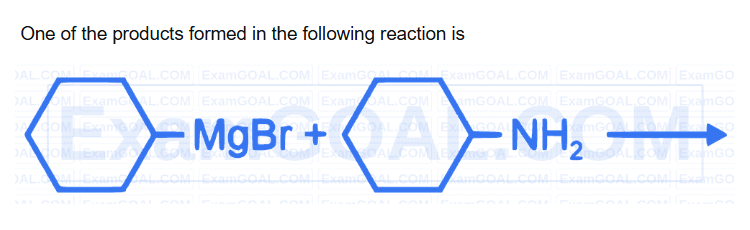
A. 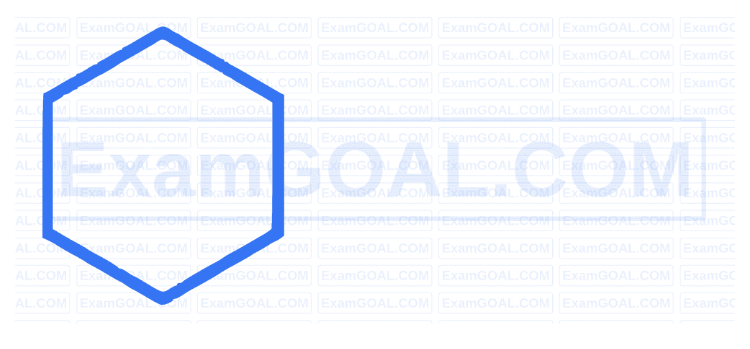
B. 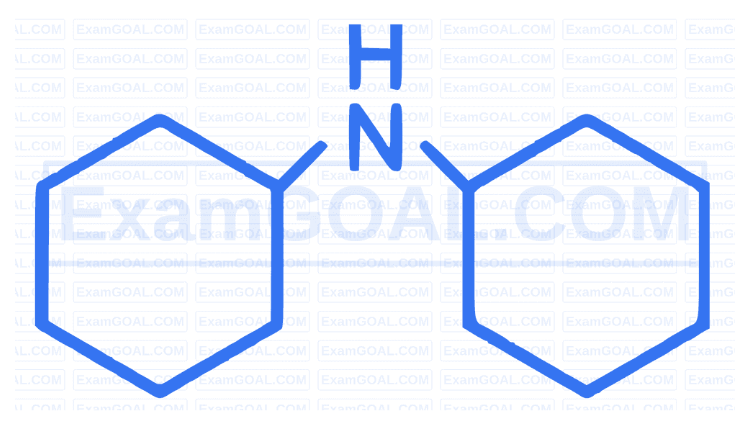
C. 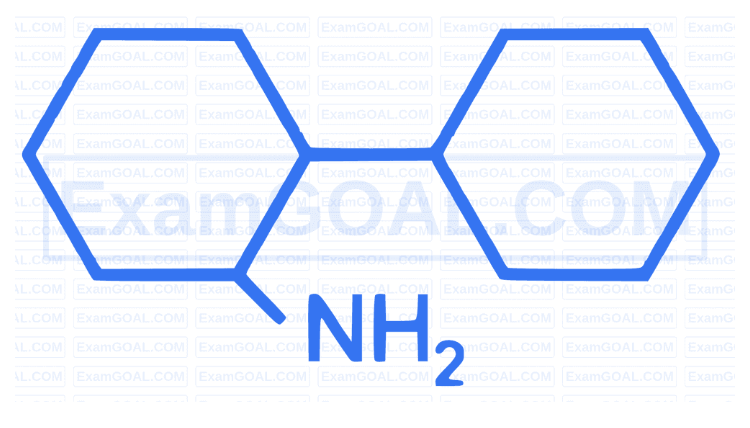
D. 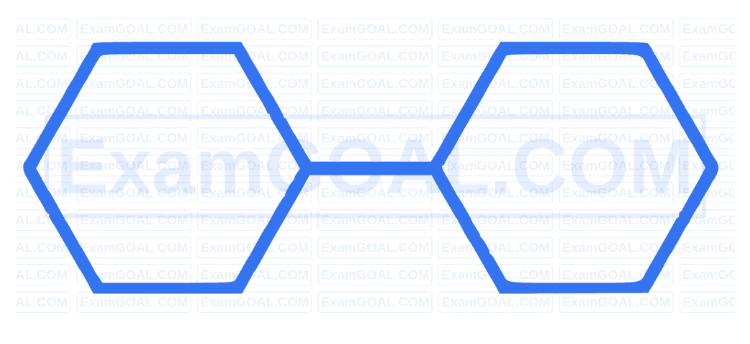
View answer and available explanation
Correct Option: A
Answer A follows the ExamSIDE indexed key. See the credited source; not independently verified against an official final key.
Q53Chemistry
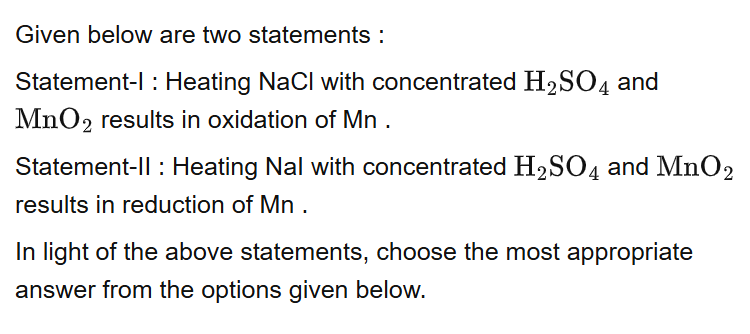
A. Statement-I is incorrect but Statement-II is correct
B. Both Statement-I and Statement-II are correct
C. Both Statement-I and Statement-II are incorrect
D. Statement-I is correct but Statement-II is incorrect
View answer and available explanation
Correct Option: A
Answer A follows the ExamSIDE indexed key. See the credited source; not independently verified against an official final key.
Q54Chemistry
Among the following options, the correct trend in the electron gain enthalpy is
A. 
B. 
C. 
D. 
View answer and available explanation
Correct Option: D
Answer D follows the ExamSIDE indexed key. See the credited source; not independently verified against an official final key.
Q55Chemistry
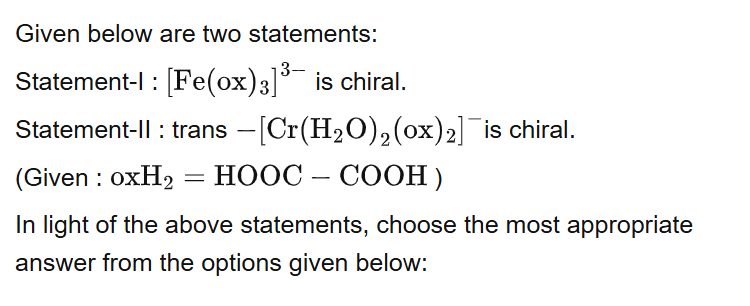
A. Statement-I is incorrect but Statement-II is correct
B. Both Statement-I and Statement-II are correct
C. Both Statement-I and Statement-II are incorrect
D. Statement-I is correct but Statement-II is incorrect
View answer and available explanation
Correct Option: D
Answer D follows the ExamSIDE indexed key. See the credited source; not independently verified against an official final key.
Q56Chemistry
The correct statement about peptides and proteins is
A. 
B. Tertiary structure of proteins has two or more polypeptide subunits
C. Only the proteins having a quaternary structure are biologically active
D. 
View answer and available explanation
Correct Option: D
Answer D follows the ExamSIDE indexed key. See the credited source; not independently verified against an official final key.
Q57Chemistry
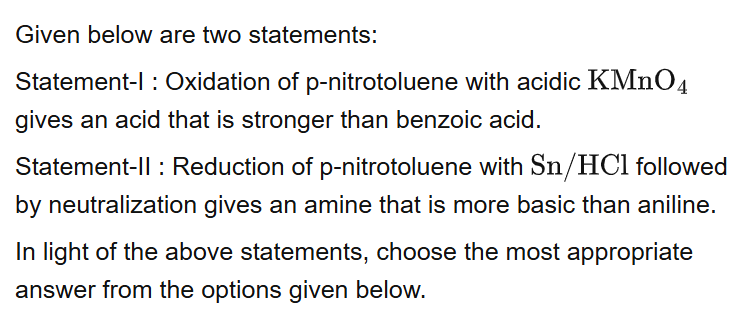
A. Statement-I is incorrect but Statement-II is correct
B. Both Statement-I and Statement-II are correct
C. Both Statement-I and Statement-II are incorrect
D. Statement-I is correct but Statement-II is incorrect
View answer and available explanation
Correct Option: B
Answer B follows the ExamSIDE indexed key. See the credited source; not independently verified against an official final key.
Q58Chemistry
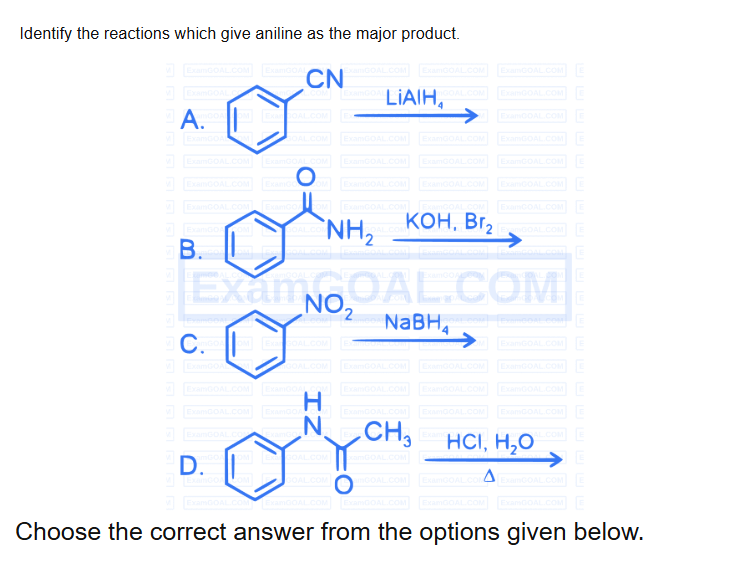
A. C and D only
B. A and B only
C. B and D only
D. A and C only
View answer and available explanation
Correct Option: C
Answer C follows the ExamSIDE indexed key. See the credited source; not independently verified against an official final key.
Q59Chemistry
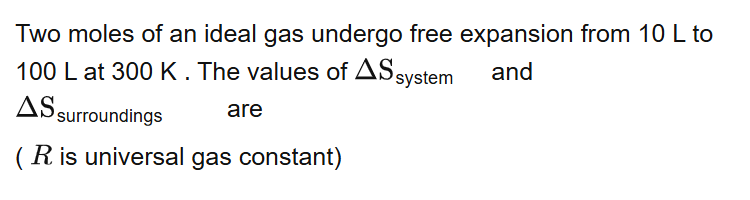
A. 
B. 
C. 
D. 
View answer and available explanation
Correct Option: A
Answer A follows the ExamSIDE indexed key. See the credited source; not independently verified against an official final key.
Q60Chemistry
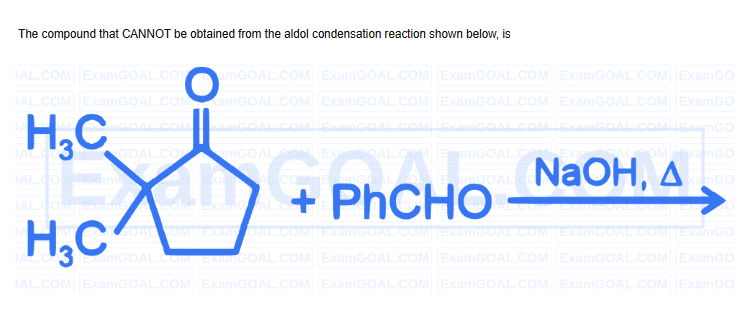
A. 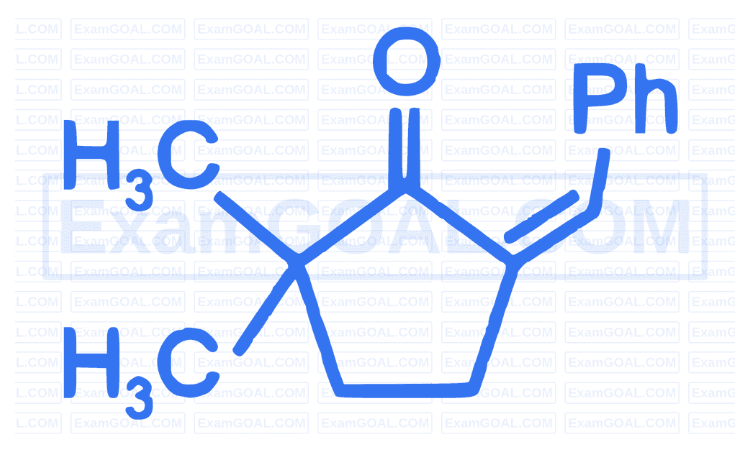
B. 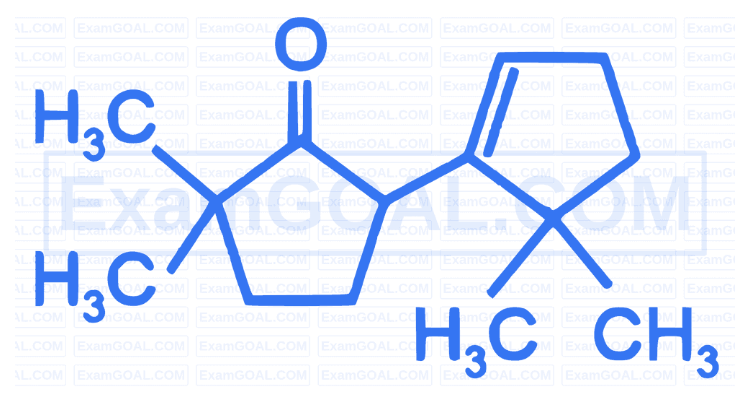
C. 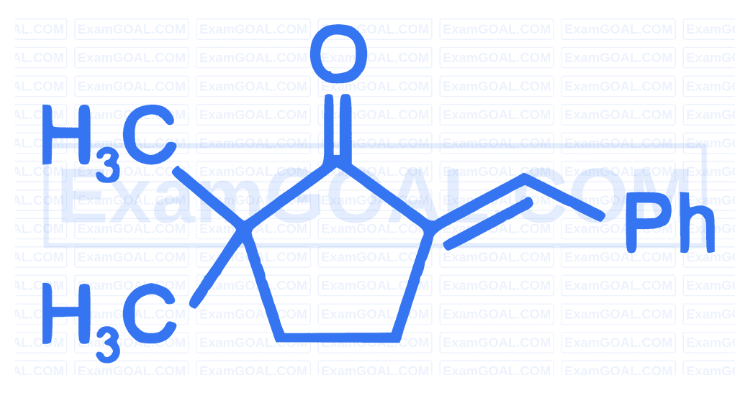
D. 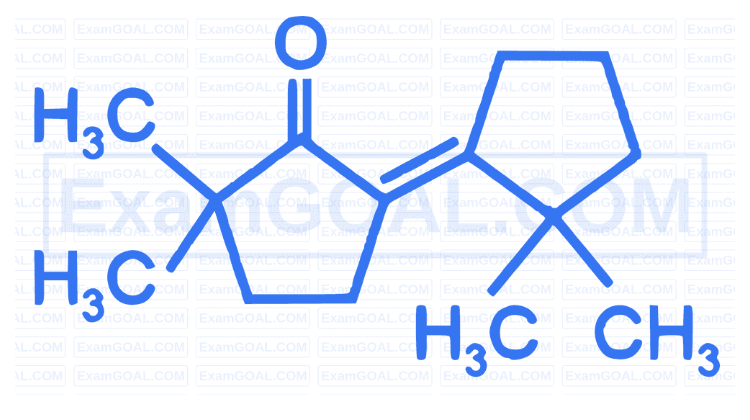
View answer and available explanation
Correct Option: B
Answer B follows the ExamSIDE indexed key. See the credited source; not independently verified against an official final key.
Q61Chemistry

A. 
B. 
C. 
D. 
View answer and available explanation
Correct Option: B
Answer B follows the ExamSIDE indexed key. See the credited source; not independently verified against an official final key.
Q62Chemistry
The numbers 17.0145 and 21.0235 were rounded to three figures after the decimal point. The resulting numbers, respectively, are
A. 17.015 and 21.024
B. 17.014 and 21.023
C. 17.015 and 21.023
D. 17.014 and 21.024
View answer and available explanation
Correct Option: D
Answer D follows the ExamSIDE indexed key. See the credited source; not independently verified against an official final key.
Q63Chemistry
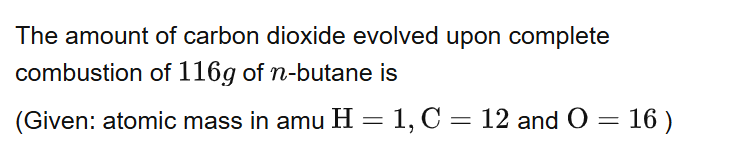
A. 362 g
B. 352 g
C. 322 g
D. 176 g
View answer and available explanation
Correct Option: B
Answer B follows the ExamSIDE indexed key. See the credited source; not independently verified against an official final key.
Q64Chemistry
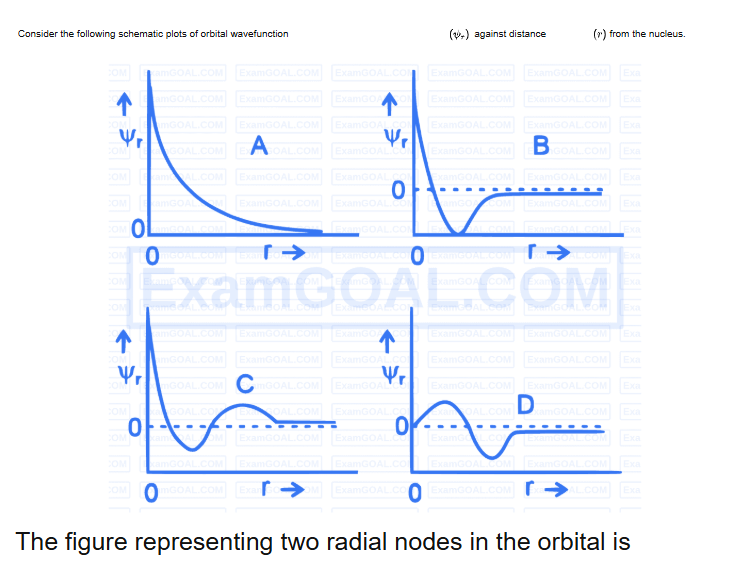
A. D
B. A
C. B
D. C
View answer and available explanation
Correct Option: D
Answer D follows the ExamSIDE indexed key. See the credited source; not independently verified against an official final key.
Q65Chemistry
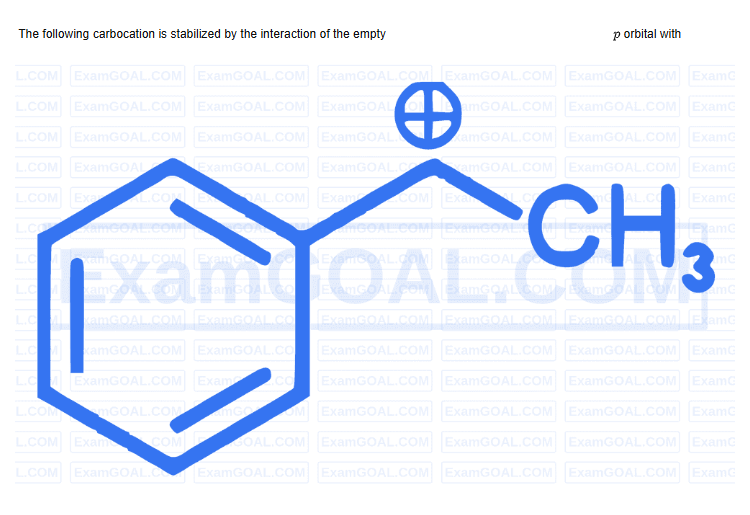
A. 
B. 
C. 
D. 
View answer and available explanation
Correct Option: B
Answer B follows the ExamSIDE indexed key. See the credited source; not independently verified against an official final key.
Q66Chemistry

A. 
B. 
C. 
D. 
View answer and available explanation
Correct Option: D
Answer D follows the ExamSIDE indexed key. See the credited source; not independently verified against an official final key.
Q67Chemistry
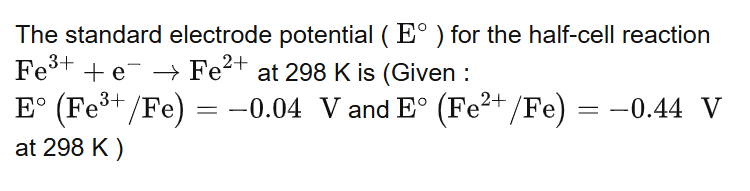
A. +0.92 V
B. +0.40 V
C. +0.76 V
D. -0.48 V
View answer and available explanation
Correct Option: C
Answer C follows the ExamSIDE indexed key. See the credited source; not independently verified against an official final key.
Q68Chemistry

A. 
B. 
C. 
D. 
View answer and available explanation
Correct Option: B
Answer B follows the ExamSIDE indexed key. See the credited source; not independently verified against an official final key.
Q69Chemistry
Consider the following statements about the solutions formed by mixing two liquids.
A. An ideal solution thus formed obeys Raoult's law throughout the composition range.
B. Mixture of chloroform and acetone shows negative deviation from Raoult's law.
C. Mixture of aniline and phenol shows positive deviation from Raoult's law
A. A and C only
B. A and B only
C. B and C only
D. A only
View answer and available explanation
Correct Option: B
Answer B follows the ExamSIDE indexed key. See the credited source; not independently verified against an official final key.
Q70Chemistry
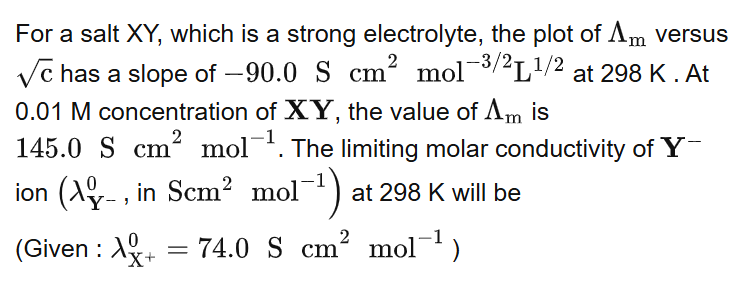
A. 76.0
B. 80.0
C. 100.0
D. 90.0
View answer and available explanation
Correct Option: B
Answer B follows the ExamSIDE indexed key. See the credited source; not independently verified against an official final key.
Q71Chemistry
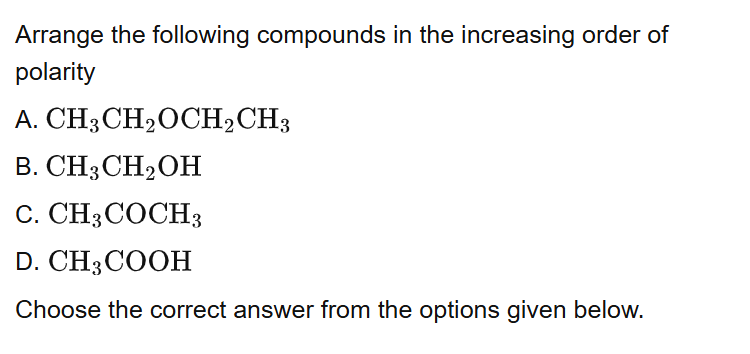
A. 
B. 
C. 
D. 
View answer and available explanation
Correct Option: A
Answer A follows the ExamSIDE indexed key. See the credited source; not independently verified against an official final key.
Q72Chemistry
According to crystal field theory, the correct order of ligands with respect to their decreasing order of field strength is
A. 
B. 
C. 
D. 
View answer and available explanation
Correct Option: B
Answer B follows the ExamSIDE indexed key. See the credited source; not independently verified against an official final key.
Q73Chemistry
The amino acid that gives a red-blood colour on treating its sodium fusion extract with sodium nitroprusside is
A. serine
B. leucine
C. threonine
D. methionine
View answer and available explanation
Correct Option: D
Answer D follows the ExamSIDE indexed key. See the credited source; not independently verified against an official final key.
Q74Chemistry
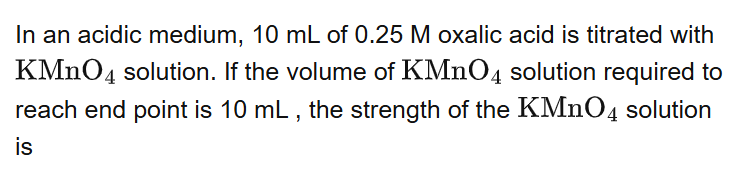
A. 0.15 M
B. 0.10 M
C. 0.20 M
D. 0.25 M
View answer and available explanation
Correct Option: B
Answer B follows the ExamSIDE indexed key. See the credited source; not independently verified against an official final key.
Q75Chemistry
The correct statement is
A. Aluminium has five valence orbitals.
B. Boron has a maximum covalency of four.
C. Beryllium has three valence orbitals.
D. Magnesium has a maximum covalency of four.
View answer and available explanation
Correct Option: B
Answer B follows the ExamSIDE indexed key. See the credited source; not independently verified against an official final key.
Q76Chemistry
Among the following, the compound having conjugated double bonds is
A. hepta-1,6-diene
B. hepta-1,3-diene
C. hepta-1,4-diene
D. hepta-1,5-diene
View answer and available explanation
Correct Option: B
Answer B follows the ExamSIDE indexed key. See the credited source; not independently verified against an official final key.
Q77Chemistry
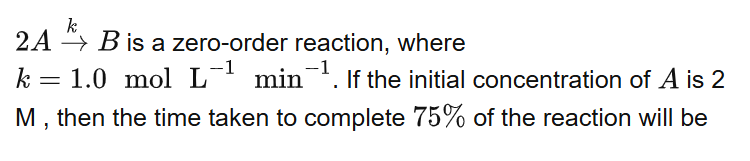
A. 2.0 min
B. 1.5 min
C. 0.75 min
D. 1.0 min
View answer and available explanation
Correct Option: C
Answer C follows the ExamSIDE indexed key. See the credited source; not independently verified against an official final key.
Q78Chemistry
A. 
B. 
C. 
D. 
View answer and available explanation
Correct Option: A
Answer A follows the ExamSIDE indexed key. See the credited source; not independently verified against an official final key.
Q79Chemistry

A. 
B. 
C. 
D. 
View answer and available explanation
Correct Option: C
Answer C follows the ExamSIDE indexed key. See the credited source; not independently verified against an official final key.
Q80Chemistry
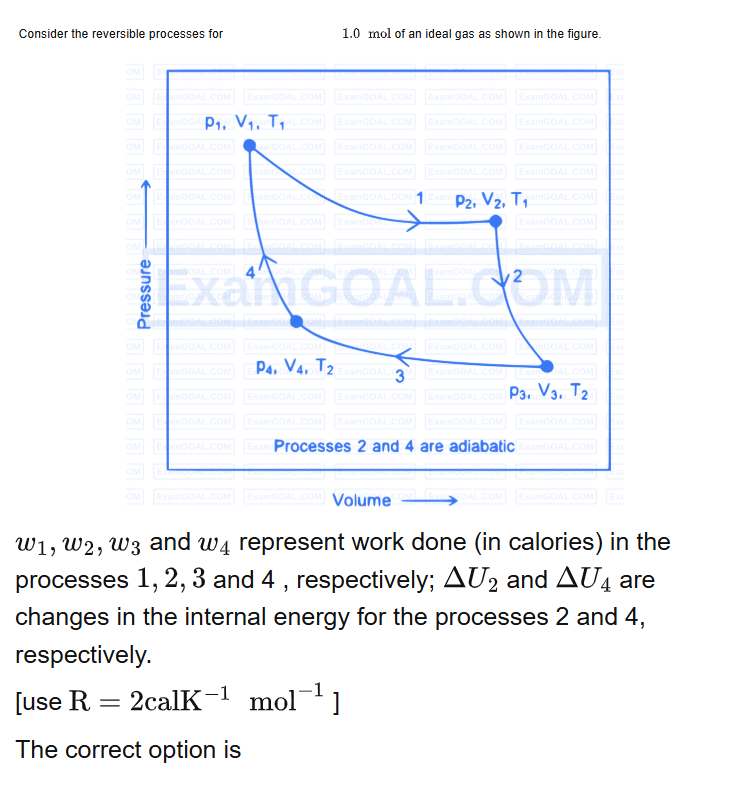
A. 
B. 
C. 
D. 
View answer and available explanation
Correct Option: B
Answer B follows the ExamSIDE indexed key. See the credited source; not independently verified against an official final key.
Q81Chemistry
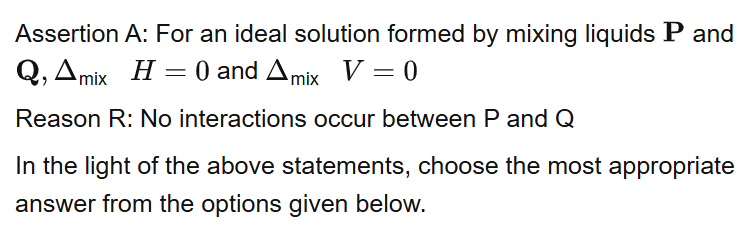
A. 
B. 
C. 
D. 
View answer and available explanation
Correct Option: D
Answer D follows the ExamSIDE indexed key. See the credited source; not independently verified against an official final key.
Q82Chemistry
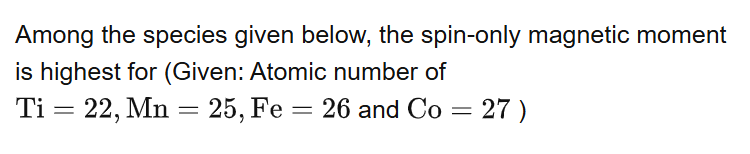
A. 
B. 
C. 
D. 
View answer and available explanation
Correct Option: B
Answer B follows the ExamSIDE indexed key. See the credited source; not independently verified against an official final key.
Q83Chemistry
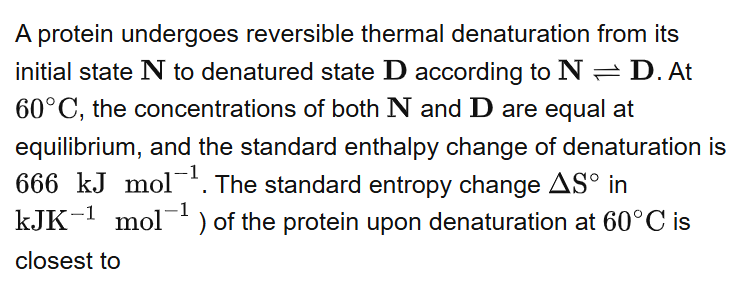
A. 11.1
B. 2.0
C. 2000.0
D. 333.0
View answer and available explanation
Correct Option: B
Answer B follows the ExamSIDE indexed key. See the credited source; not independently verified against an official final key.
Q84Chemistry
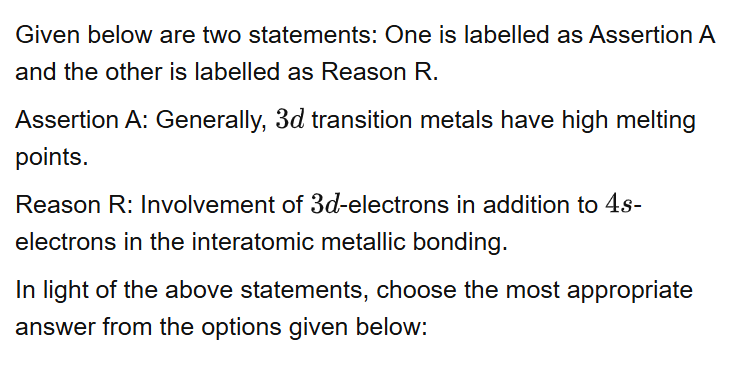
A. 
B. 
C. 
D. 
View answer and available explanation
Correct Option: B
Answer B follows the ExamSIDE indexed key. See the credited source; not independently verified against an official final key.
Q85Chemistry
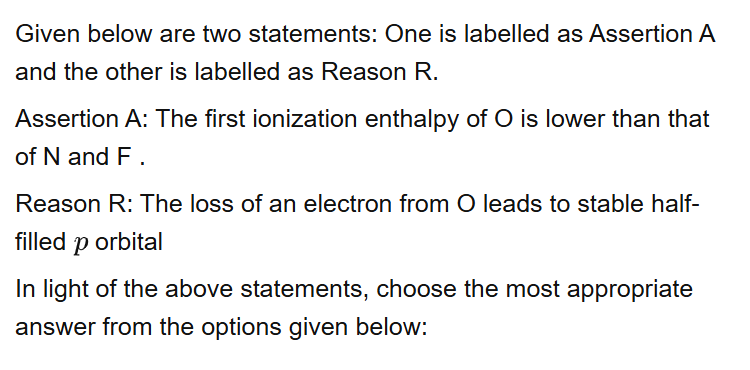
A. 
B. 
C. 
D. 
View answer and available explanation
Correct Option: B
Answer B follows the ExamSIDE indexed key. See the credited source; not independently verified against an official final key.
Q86Chemistry
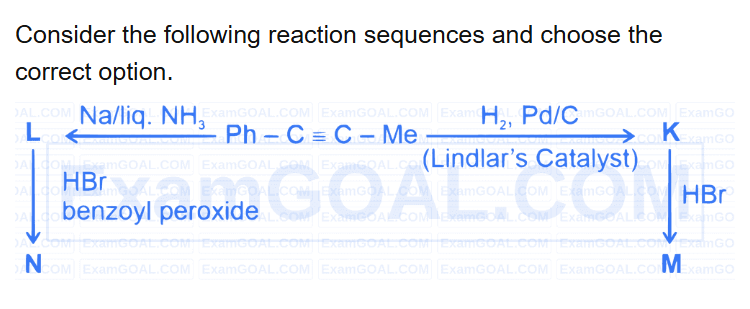
A. 
B. 
C. 
D. 
View answer and available explanation
Correct Option: B
Answer B follows the ExamSIDE indexed key. See the credited source; not independently verified against an official final key.
Q87Chemistry

A. 
B. 
C. 
D. 
View answer and available explanation
Correct Option: A
Answer A follows the ExamSIDE indexed key. See the credited source; not independently verified against an official final key.
Q88Chemistry
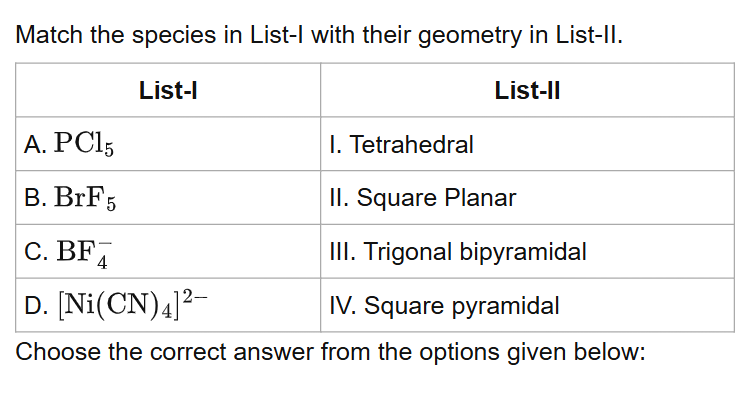
A. A-III, B-II, C-I, D-IV
B. A-IV, B-III, C-I, D-II
C. A-III, B-IV, C-I, D-II
D. A-III, B-I, C-II, D-IV
View answer and available explanation
Correct Option: C
Answer C follows the ExamSIDE indexed key. See the credited source; not independently verified against an official final key.
Q89Chemistry
A. A-III, B-I, C-IV, D-II
B. A-II, B-III, C-IV, D-I
C. A-IV, B-I, C-II, D-III
D. A-IV, B-II, C-I, D-III
View answer and available explanation
Correct Option: C
Answer C follows the ExamSIDE indexed key. See the credited source; not independently verified against an official final key.
Q90Chemistry
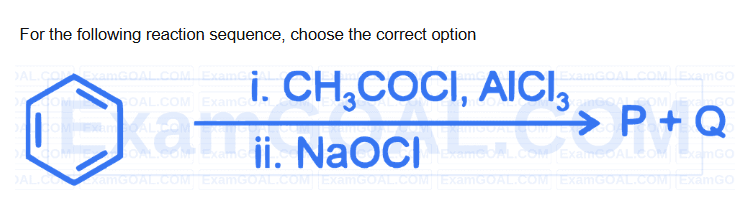
A. 
B. 
C. 
D. 
View answer and available explanation
Correct Option: D
Answer D follows the ExamSIDE indexed key. See the credited source; not independently verified against an official final key.
Q91Biology
Given below are two statements:
Statement I : The class name Reptilia refers to creeping or crawling mode of locomotion.
Statement II : All organisms belonging to Reptilia have three chambered heart.
In the light of the above statements, choose the most appropriate answer from the options given below:
A. Statement I is incorrect but Statement II is correct
B. Both Statement I and Statement II are correct
C. Both Statement I and Statement II are incorrect
D. Statement I is correct but Statement II is incorrect
View answer and available explanation
Correct Option: D
Answer D follows the ExamSIDE indexed key. See the credited source; not independently verified against an official final key.
Q92Biology
How many turns of Calvin cycle are required for the formation of three molecules of glucose?
A. 18
B. 6
C. 3
D. 1
View answer and available explanation
Correct Option: A
Answer A follows the ExamSIDE indexed key. See the credited source; not independently verified against an official final key.
Q93Biology
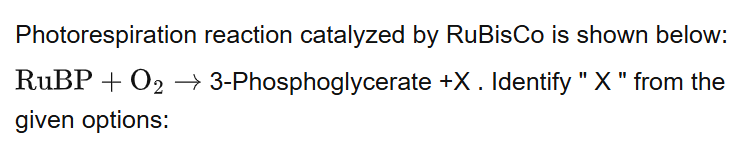
A. Malate
B. Phosphoenolpyruvate
C. 2-Phosphoglycolate
D. Oxaloacetate
View answer and available explanation
Correct Option: C
Answer C follows the ExamSIDE indexed key. See the credited source; not independently verified against an official final key.
Q94Biology
Given below are two statements:
Statement I: In gymnosperms, the male and female gametophytes remain within the sporangia.
Statement II: In gymnosperms, seeds are not covered.
In the light of the above statements, choose the most appropriate answer from the options given below:
A. Statement I is incorrect but Statement II is correct
B. Both Statement I and Statement II are correct
C. Both Statement I and Statement II are incorrect
D. Statement I is correct but Statement II is incorrect
View answer and available explanation
Correct Option: B
Answer B follows the ExamSIDE indexed key. See the credited source; not independently verified against an official final key.
Q95Biology
How many molecules of pyruvic acid are produced at the end of glycolysis from 206 molecules of glucose?
A. 412
B. 206
C. 309
D. 103
View answer and available explanation
Correct Option: A
Answer A follows the ExamSIDE indexed key. See the credited source; not independently verified against an official final key.
Q96Biology
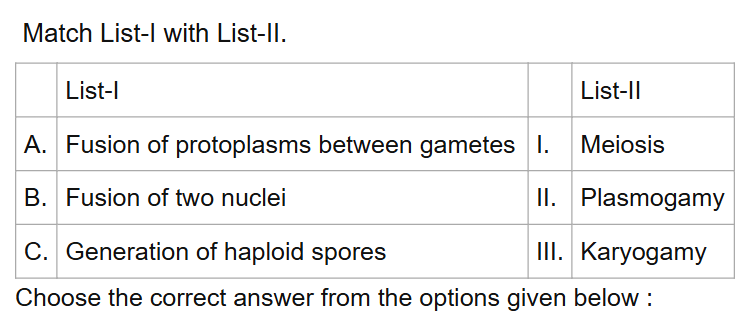
A. A-I, B-III, C-II
B. A-II, B-III, C-I
C. A-II, B-I, C-III
D. A-III, B-II, C-I
View answer and available explanation
Correct Option: B
Answer B follows the ExamSIDE indexed key. See the credited source; not independently verified against an official final key.
Q97Biology

A. aqueous humor
B. matrix
C. cytosol
D. mucus
View answer and available explanation
Correct Option: B
Answer B follows the ExamSIDE indexed key. See the credited source; not independently verified against an official final key.
Q98Biology

A. sepals
B. leaves
C. flowers
D. fruits
View answer and available explanation
Correct Option: B
Answer B follows the ExamSIDE indexed key. See the credited source; not independently verified against an official final key.
Q99Biology

A. 
B. prions
C. viroids
D. 
View answer and available explanation
Correct Option: B
Answer B follows the ExamSIDE indexed key. See the credited source; not independently verified against an official final key.
Q100Biology

A. Antonie Von Leeuwenhoek
B. Schleiden and Schwann
C. Robert Brown
D. Singer and Nicolson
View answer and available explanation
Correct Option: B
Answer B follows the ExamSIDE indexed key. See the credited source; not independently verified against an official final key.
Q101Biology
Which of the following plant growth regulators promotes internode elongation prior to flowering in cabbage?
A. Ethephon
B. Abscisic acid
C. Gibberellin
D. Indole butyric acid
View answer and available explanation
Correct Option: C
Answer C follows the ExamSIDE indexed key. See the credited source; not independently verified against an official final key.
Q102Biology
Which pigment has absorption peak at 700 nm in the photosynthetic reaction centre PS I (P700)?
A. Carotenoids
B. Chlorophyll b
C. Chlorophyll a
D. Xanthophylls
View answer and available explanation
Correct Option: C
Answer C follows the ExamSIDE indexed key. See the credited source; not independently verified against an official final key.
Q103Biology

A. pteridophytes
B. bryophytes
C. angiosperms
D. gymnosperms
View answer and available explanation
Correct Option: A
Answer A follows the ExamSIDE indexed key. See the credited source; not independently verified against an official final key.
Q104Biology
Which of the following represents the correct sequence of arrangement of bones in the lower limb of humans?
A. Femur-tarsal-patella-tibia
B. Femur-tibia-patella-tarsal
C. Patella-femur-tibia-tarsal
D. Femur-patella-tibia-tarsal
View answer and available explanation
Correct Option: D
Answer D follows the ExamSIDE indexed key. See the credited source; not independently verified against an official final key.
Q105Biology
Which of the following plant growth regulators is used as herbicide?
A. Gibberellin
B. 
C. Kinetin
D. Abscisic acid
View answer and available explanation
Correct Option: B
Answer B follows the ExamSIDE indexed key. See the credited source; not independently verified against an official final key.
Q106Biology

A. a group of closely related families
B. an individual plant or animal
C. a population of plants and animals
D. a group of closely related species
View answer and available explanation
Correct Option: D
Answer D follows the ExamSIDE indexed key. See the credited source; not independently verified against an official final key.
Q107Biology

A. amyloplast
B. chloroplast
C. chromoplast
D. aleuroplast
View answer and available explanation
Correct Option: C
Answer C follows the ExamSIDE indexed key. See the credited source; not independently verified against an official final key.
Q108Biology

A. trachea
B. skin
C. buccal cavity
D. lungs
View answer and available explanation
Correct Option: B
Answer B follows the ExamSIDE indexed key. See the credited source; not independently verified against an official final key.
Q109Biology
Which of the following is not a characteristic of chordates?
A. Presence of post anal part (tail)
B. Presence of notochord
C. Central nervous system is dorsal
D. Absence of gills
View answer and available explanation
Correct Option: D
Answer D follows the ExamSIDE indexed key. See the credited source; not independently verified against an official final key.
Q110Biology

A. is a site for the synthesis of carbohydrates
B. has ribosomes attached to its surface
C. is the major site for the synthesis of lipids
D. is actively involved in protein synthesis
View answer and available explanation
Correct Option: C
Answer C follows the ExamSIDE indexed key. See the credited source; not independently verified against an official final key.
Q111Biology
Which of the following are characteristics of prokaryotic cells?
(a) Ribosomes are made of 50 S and 30 S subunits
(b) They can have plasmids
(c) They contain mesosome
(d) They have peroxisomes
Choose the correct answer from the options given below :
A. (a), (b) and (c) only
B. (b) and (c) only
C. (a) and (c) only
D. (a), (c) and (d) only
View answer and available explanation
Correct Option: A
Answer A follows the ExamSIDE indexed key. See the credited source; not independently verified against an official final key.
Q112Biology
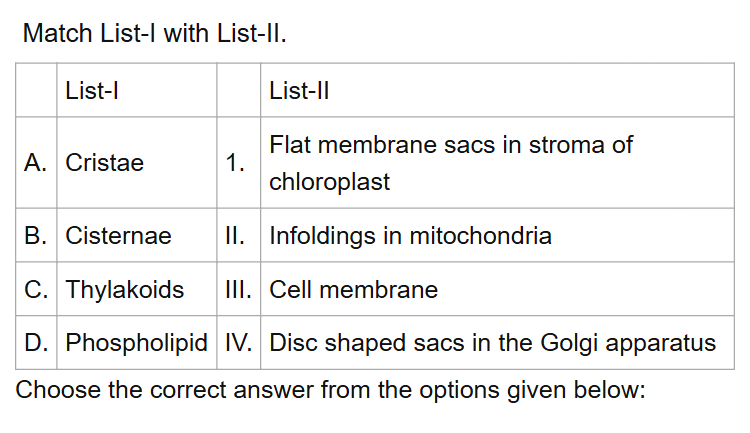
A. A-IV, B-III, C-I, D-II
B. A-III, B-IV, C-I, D-II
C. A-II, B-IV, C-I, D-III
D. A-II, B-IV, C-III, D-I
View answer and available explanation
Correct Option: C
Answer C follows the ExamSIDE indexed key. See the credited source; not independently verified against an official final key.
Q113Biology
Which of the following statements related to pituitary gland are correct?
(a) It is divided anatomically into adenohypophysis and neurohypophysis
(b) It secretes follicle stimulating hormone
(c) It secretes melanocyte stimulating hormone
(d) It does not secrete prolactin
Choose the correct answer from the options given below :
A. (b) and (c) only
B. (a) and (b) only
C. (a), (b) and (c) only
D. (c) and (d) only
View answer and available explanation
Correct Option: C
Answer C follows the ExamSIDE indexed key. See the credited source; not independently verified against an official final key.
Q114Biology
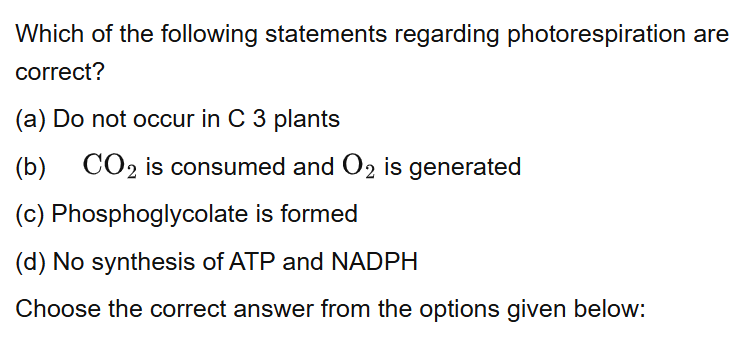
A. (a) and (b) only
B. (a) and (d) only
C. (c) and (d) only
D. (b) and (d) only
View answer and available explanation
Correct Option: C
Answer C follows the ExamSIDE indexed key. See the credited source; not independently verified against an official final key.
Q115Biology
Which of the following statements is incorrect?
A. Fibrinogen is produced from fibrin
B. Blood coagulates in response to an injury
C. Blood clot consists of fibrins
D. Fibrin is produced from fibrinogen
View answer and available explanation
Correct Option: A
Answer A follows the ExamSIDE indexed key. See the credited source; not independently verified against an official final key.
Q116Biology
Arrange the following taxonomic categories in ascending order.
(a) Genus
(b) Class
(c) Order
(d) Phylum
(e) Family
(f) Kingdom
(g) Species
Choose the correct answer from the options given below :
A. (f), (c), (b), (g), (d), (e), (a)
B. (g), (a), (e), (c), (b), (d), (f)
C. (a), (c), (d), (g), (f), (b), (e)
D. (g), (c), (d), (b), (e), (a), (f)
View answer and available explanation
Correct Option: B
Answer B follows the ExamSIDE indexed key. See the credited source; not independently verified against an official final key.
Q117Biology
Select the correct sequence of experiments that led to a gradual understanding of photosynthesis in green plants.
A. 
B. 
C. 
D. 
View answer and available explanation
Correct Option: C
Answer C follows the ExamSIDE indexed key. See the credited source; not independently verified against an official final key.
Q118Biology
A. A-I, B-II, C-III, D-IV
B. A-I, B-II, C-IV, D-III
C. A-II, B-I, C-IV, D-III
D. A-II, B-I, C-III, D-IV
View answer and available explanation
Correct Option: C
Answer C follows the ExamSIDE indexed key. See the credited source; not independently verified against an official final key.
Q119Biology

A. 206
B. 7
C. 12
D. 26
View answer and available explanation
Correct Option: D
Answer D follows the ExamSIDE indexed key. See the credited source; not independently verified against an official final key.
Q120Biology

A. Golgi complex, chloroplast, peroxisomes and vacuole
B. endoplasmic reticulum, Golgi complex, Iysosomes and vacuole
C. endoplasmic reticulum, chloroplast, peroxisomes and vacuole
D. mitochondria, chloroplast, peroxisomes and vacuole
View answer and available explanation
Correct Option: B
Answer B follows the ExamSIDE indexed key. See the credited source; not independently verified against an official final key.
Q121Biology
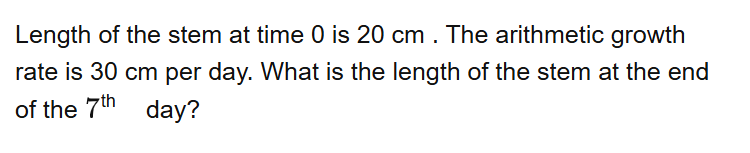
A. 460 cm
B. 50 cm
C. 170 cm
D. 230 cm
View answer and available explanation
Correct Option: D
Answer D follows the ExamSIDE indexed key. See the credited source; not independently verified against an official final key.
Q122Biology
A. A-II, B-IV, C-I, D-III
B. A-I, B-III, C-II, D-IV
C. A-III, B-II, C-I, D-IV
D. A-II, B-I, C-IV, D-III
View answer and available explanation
Correct Option: A
Answer A follows the ExamSIDE indexed key. See the credited source; not independently verified against an official final key.
Q123Biology

A. 
B. 
C. 
D. 
View answer and available explanation
Correct Option: C
Answer C follows the ExamSIDE indexed key. See the credited source; not independently verified against an official final key.
Q124Biology
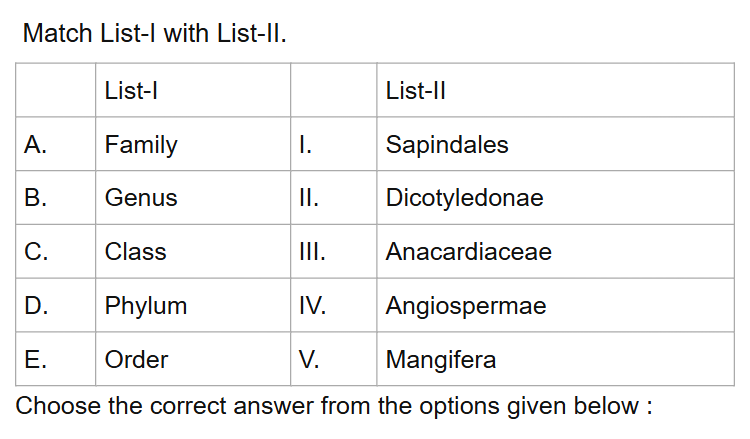
A. A-III, B-V, C-II, D-IV, E-I
B. A-I, B-V, C-II, D-IV, E-III
C. A-II, B-I, C-III, D-IV, E-V
D. A-II, B-III, C-V, D-I, E-IV
View answer and available explanation
Correct Option: A
Answer A follows the ExamSIDE indexed key. See the credited source; not independently verified against an official final key.
Q125Biology
Which of the following is not a part of human central neural system?
A. Pericardium
B. Arachnoid
C. Dura mater
D. Pia mater
View answer and available explanation
Correct Option: A
Answer A follows the ExamSIDE indexed key. See the credited source; not independently verified against an official final key.
Q126Biology
Given below are two statements :
Statement I : Chromosomes are fully condensed at the end of prophase I.
Statement II : Meiosis I resembles mitosis.
In the light of the above statements, choose the most appropriate answer from the options given below :
A. Statement I is incorrect, but Statement II is true
B. Both Statement I and Statement II are true
C. Both Statement I and Statement II are false
D. Statement I is correct, but Statement II is false
View answer and available explanation
Correct Option: D
Answer D follows the ExamSIDE indexed key. See the credited source; not independently verified against an official final key.
Q127Biology
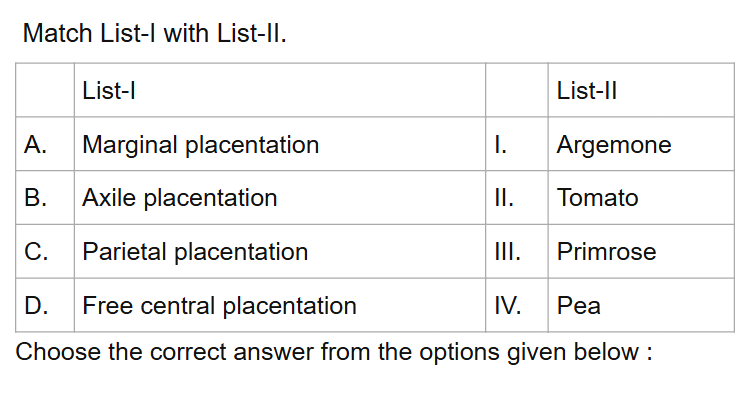
A. A-IV, B-II, C-I, D-III
B. A-II, B-IV, C-I, D-III
C. A-IV, B-II, C-III, D-I
D. A-IV, B-III, C-I, D-II
View answer and available explanation
Correct Option: A
Answer A follows the ExamSIDE indexed key. See the credited source; not independently verified against an official final key.
Q128Biology

A. chrysophytes
B. lichens
C. sponges
D. mycorrhiza
View answer and available explanation
Correct Option: B
Answer B follows the ExamSIDE indexed key. See the credited source; not independently verified against an official final key.
Q129Biology
Which of the following is not a prokaryote?
A. Fungi
B. Bacteria
C. Blue green algae
D. Mycoplasma
View answer and available explanation
Correct Option: A
Answer A follows the ExamSIDE indexed key. See the credited source; not independently verified against an official final key.
Q130Biology
Arrange the following elements in descending order of their contribution to percentage weight of the human body.
(a) Oxygen
(b) Carbon
(c) Hydrogen
(d) Nitrogen
Choose the correct answer from the options given below :
A. (b), (a), (c), (d)
B. (a), (b), (c), (d)
C. (c), (a), (b), (d)
D. (b), (c), (d), (a)
View answer and available explanation
Correct Option: B
Answer B follows the ExamSIDE indexed key. See the credited source; not independently verified against an official final key.
Q131Biology
Which one of the following statements is incorrect?
A. 
B. 
C. 
D. Glucagon stimulates glycogenolysis
View answer and available explanation
Correct Option: C
Answer C follows the ExamSIDE indexed key. See the credited source; not independently verified against an official final key.
Q132Biology
Which of the following are characteristic features of Solanaceae family?
(a) Flowers are bisexual and actinomorphic
(b) Calyx have five sepals and are united
(c) Androecium have five stamens and are epipetalous
(d) Ovary is inferior
Choose the correct answer from the options given below :
A. (b), (c) and (d) only
B. (a), (b) and (c) only
C. (d) only
D. (a) and (b) only
View answer and available explanation
Correct Option: B
Answer B follows the ExamSIDE indexed key. See the credited source; not independently verified against an official final key.
Q133Biology
Given below are two statements :
Statement I : When any plane passing through the central axis of the body divides the organism into two identical halves, it is called radial symmetry.
Statement II : In phylum Echinodermata, both adults and larvae are radially symmetrical.
In the light of the above statements, choose the most appropriate answer from the options given below :
A. Statement I is incorrect but Statement II is correct
B. Both Statement I and Statement II are correct
C. Both Statement I and Statement II are incorrect
D. Statement I is correct but Statement II is incorrect
View answer and available explanation
Correct Option: D
Answer D follows the ExamSIDE indexed key. See the credited source; not independently verified against an official final key.
Q134Biology

A. S-M-G2-G1
B. G1-G2-S-M
C. G1-M-G2-S
D. G1-S-G2-M
View answer and available explanation
Correct Option: D
Answer D follows the ExamSIDE indexed key. See the credited source; not independently verified against an official final key.
Q135Biology

A. 12
B. 6
C. 9
D. 10
View answer and available explanation
Correct Option: D
Answer D follows the ExamSIDE indexed key. See the credited source; not independently verified against an official final key.
Q136Biology
Given below are two statements : one is labelled as Assertion A and the other is labelled as Reason R.
Assertion A : In recombinant DNA technology, lysozyme is used for disrupting bacterial cells while cellulase is for plant cells.
Reason R : Isolation of genetic material needs disruption of cells.
In the light of the above statements, choose the most appropriate answer from the options given below :
A. 
B. 
C. 
D. 
View answer and available explanation
Correct Option: B
Answer B follows the ExamSIDE indexed key. See the credited source; not independently verified against an official final key.
Q137Biology
The method of directly of injecting a sperm into ovum in assisted reproductive technology is called :
A. Embryo transfer (ET)
B. Gamete intra fallopian transfer (GIFT)
C. Zygote intra fallopian transfer (ZIFT)
D. Intra cytoplasmic sperm injection (ICSI)
View answer and available explanation
Correct Option: D
Answer D follows the ExamSIDE indexed key. See the credited source; not independently verified against an official final key.
Q138Biology
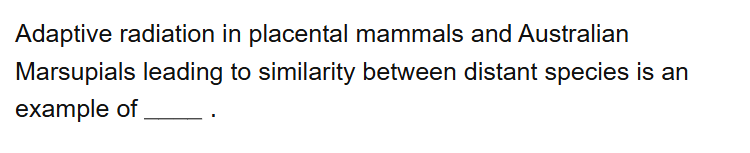
A. genetic drift
B. divergent evolution
C. convergent evolution
D. founder effect
View answer and available explanation
Correct Option: C
Answer C follows the ExamSIDE indexed key. See the credited source; not independently verified against an official final key.
Q139Biology
Given below are two statements : one is labelled as Assertion A and the other is labelled as Reason R.
Assertion A : In an experiment, Mendel observed that the F1 progeny plants are all tall and none are dwarf.
Reason R : Stem height is a contrasting trait, with tall being dominant and dwarf being recessive.
In the light of the above statements, choose the most appropriate answer from the options given below :
A. 
B. 
C. 
D. 
View answer and available explanation
Correct Option: B
Answer B follows the ExamSIDE indexed key. See the credited source; not independently verified against an official final key.
Q140Biology
Arrange the following in descending order of number of species in the Amazonian rain forest.
(a) Plants
(b) Birds
(c) Fishes
(d) Invertebrates
(e) Mammals
Choose the correct answer from the options given below :
A. 
B. 
C. 
D. 
View answer and available explanation
Correct Option: C
Answer C follows the ExamSIDE indexed key. See the credited source; not independently verified against an official final key.
Q141Biology

A. gills
B. simple diffusion over their entire body surfaces
C. moist cuticle
D. tracheal tubes
View answer and available explanation
Correct Option: B
Answer B follows the ExamSIDE indexed key. See the credited source; not independently verified against an official final key.
Q142Biology
For a person with blood group 'O', which of the following is not a possible combination of parents' blood group genotypes?
A. 
B. 
C. 
D. 
View answer and available explanation
Correct Option: A
Answer A follows the ExamSIDE indexed key. See the credited source; not independently verified against an official final key.
Q143Biology
Given below are two statements :
Statement I : Modern Homo sapiens arose in Australia and moved across continents.
Statement II: Homo sapiens arose around 75000 to 10000 years ago.
In the light of the above statements, choose the most appropriate answer from the options given below:
A. Statement I is incorrect but Statement II is correct
B. Both Statement I and Statement II are correct
C. Both Statement I and Statement II are incorrect
D. Statement I is correct but Statement II is incorrect
View answer and available explanation
Correct Option: A
Answer A follows the ExamSIDE indexed key. See the credited source; not independently verified against an official final key.
Q144Biology
Which of the following is used as an effective sedative and painkiller for treating post-surgery patients?
A. Anti-retroviral drugs
B. Interferon
C. Antibiotics
D. Morphine
View answer and available explanation
Correct Option: D
Answer D follows the ExamSIDE indexed key. See the credited source; not independently verified against an official final key.
Q145Biology
Which of the following plant produces non-albuminous seeds?
A. Pea
B. Wheat
C. Maize
D. Barley
View answer and available explanation
Correct Option: A
Answer A follows the ExamSIDE indexed key. See the credited source; not independently verified against an official final key.
Q146Biology
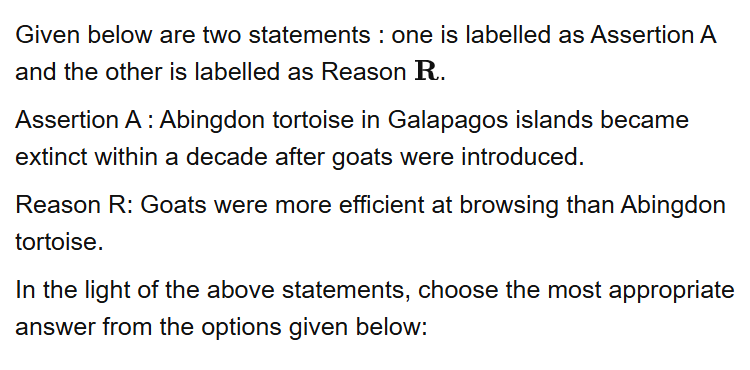
A. 
B. 
C. 
D. 
View answer and available explanation
Correct Option: B
Answer B follows the ExamSIDE indexed key. See the credited source; not independently verified against an official final key.
Q147Biology

A. chorion
B. endometrium
C. zona radiata
D. zona pellucida
View answer and available explanation
Correct Option: D
Answer D follows the ExamSIDE indexed key. See the credited source; not independently verified against an official final key.
Q148Biology
Which of the following is used as a clot buster?
A. Statins
B. Streptokinase
C. Penicillin
D. Cyclosporin A
View answer and available explanation
Correct Option: B
Answer B follows the ExamSIDE indexed key. See the credited source; not independently verified against an official final key.
Q149Biology
Which of the following struture is not a part of the male reproductive system?
A. Infundibulum
B. Rete testis
C. Epididymis
D. Vasa efferentia
View answer and available explanation
Correct Option: A
Answer A follows the ExamSIDE indexed key. See the credited source; not independently verified against an official final key.
Q150Biology
Given below are two statements:
Statement I : Ovulation is caused by LH surge leading to rupture of Graafian follicles.
Statement II: Graafian follicle remaining after ovulation transform into corpus luteum and secretes large amount of estrogen.
In the light of the above statements, choose the most appropriate answer from the options given below:
A. Statement I is incorrect but Statement II is correct
B. Both Statement I and Statement II are correct
C. Both Statement I and Statement II are incorrect
D. Statement I is correct but Statement II is incorrect
View answer and available explanation
Correct Option: D
Answer D follows the ExamSIDE indexed key. See the credited source; not independently verified against an official final key.
Q151Biology

A. sino-atrial node
B. bicuspid valve
C. tricuspid valve
D. semilunar valve
View answer and available explanation
Correct Option: C
Answer C follows the ExamSIDE indexed key. See the credited source; not independently verified against an official final key.
Q152Biology
Which of the following is not evidence for evolution?
A. Divergent evolution of anatomical structures such as forelimbs
B. Convergent evolution of traits like wings of birds and butterflies
C. Paleontological evidence from fossil records
D. Embryological support for evolution as proposed by Ernst Heckel
View answer and available explanation
Correct Option: D
Answer D follows the ExamSIDE indexed key. See the credited source; not independently verified against an official final key.
Q153Biology

A. by nucleases
B. due to alkaline pH
C. due to acidic pH
D. by proteases
View answer and available explanation
Correct Option: B
Answer B follows the ExamSIDE indexed key. See the credited source; not independently verified against an official final key.
Q154Biology

A. lgD
B. IgG
C. lgM
D. 
View answer and available explanation
Correct Option: D
Answer D follows the ExamSIDE indexed key. See the credited source; not independently verified against an official final key.
Q155Biology
Which of the following in female gametophyte of an angiosperm helps in guiding the pollen tube for fertilizing the eggs?
A. Polar nucleus
B. Antipodals
C. Synergids
D. Central cells
View answer and available explanation
Correct Option: C
Answer C follows the ExamSIDE indexed key. See the credited source; not independently verified against an official final key.
Q156Biology
Which of the following disease is not sexually transmitted?
A. Genital warts
B. Syphilis
C. Tuberculosis
D. Gonorrhoea
View answer and available explanation
Correct Option: C
Answer C follows the ExamSIDE indexed key. See the credited source; not independently verified against an official final key.
Q157Biology
Which of the following statements about lac-operon is correct?
A. Galactose can act as an inducer of lac operon
B. 
C. Lactose activates repressor to bind to the operator
D. 
View answer and available explanation
Correct Option: B
Answer B follows the ExamSIDE indexed key. See the credited source; not independently verified against an official final key.
Q158Biology
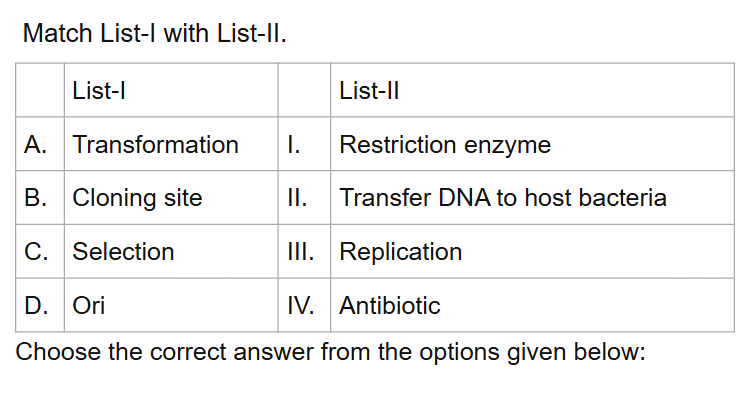
A. A-IV, B-I, C-III, D-II
B. A-II, B-I, C-IV, D-III
C. A-I, B-II, C-IV, D-III
D. A-III, B-IV, C-II, D-I
View answer and available explanation
Correct Option: B
Answer B follows the ExamSIDE indexed key. See the credited source; not independently verified against an official final key.
Q159Biology
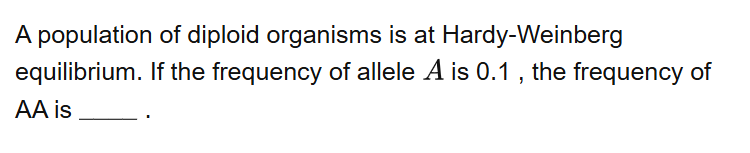
A. 0.99
B. 0.01
C. 0.02
D. 0.10
View answer and available explanation
Correct Option: B
Answer B follows the ExamSIDE indexed key. See the credited source; not independently verified against an official final key.
Q160Biology

A. muscular movement
B. flagellar movement
C. ciliary movement
D. amoeboid movement
View answer and available explanation
Correct Option: B
Answer B follows the ExamSIDE indexed key. See the credited source; not independently verified against an official final key.
Q161Biology
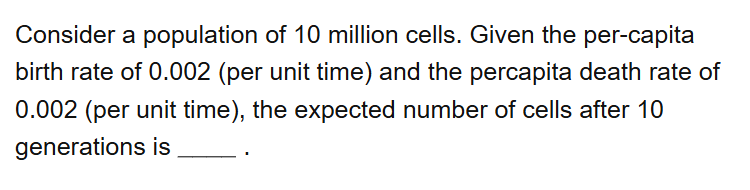
A. 100 million
B. 1 million
C. 5 million
D. 10 million
View answer and available explanation
Correct Option: D
Answer D follows the ExamSIDE indexed key. See the credited source; not independently verified against an official final key.
Q162Biology
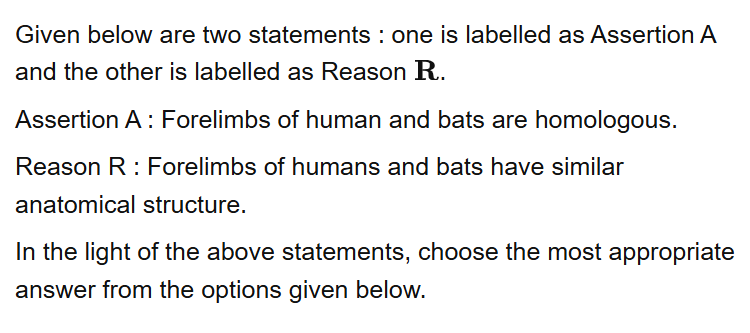
A. 
B. 
C. 
D. 
View answer and available explanation
Correct Option: B
Answer B follows the ExamSIDE indexed key. See the credited source; not independently verified against an official final key.
Q163Biology

A. cyclic adenine monophosphate
B. acetyl choline
C. acetyl coenzyme A
D. cyclic guanine monophosphate
View answer and available explanation
Correct Option: B
Answer B follows the ExamSIDE indexed key. See the credited source; not independently verified against an official final key.
Q164Biology
Which of the following hormone is not secreted by human placenta?
A. LH
B. hCG
C. Estrogen
D. Progesterone
View answer and available explanation
Correct Option: A
Answer A follows the ExamSIDE indexed key. See the credited source; not independently verified against an official final key.
Q165Biology
Which of the following statements is correct about Plasmodium?
A. Fertilization takes place in mosquito gut
B. Reproduces sexually in liver cells
C. Reproduces sexually in RBCs
D. Gametocytes develop in mosquito gut
View answer and available explanation
Correct Option: A
Answer A follows the ExamSIDE indexed key. See the credited source; not independently verified against an official final key.
Q166Biology
Which of the following are primary consumers in a food chain?
A. Carnivores
B. Parasites
C. Predators
D. Herbivores
View answer and available explanation
Correct Option: D
Answer D follows the ExamSIDE indexed key. See the credited source; not independently verified against an official final key.
Q167Biology
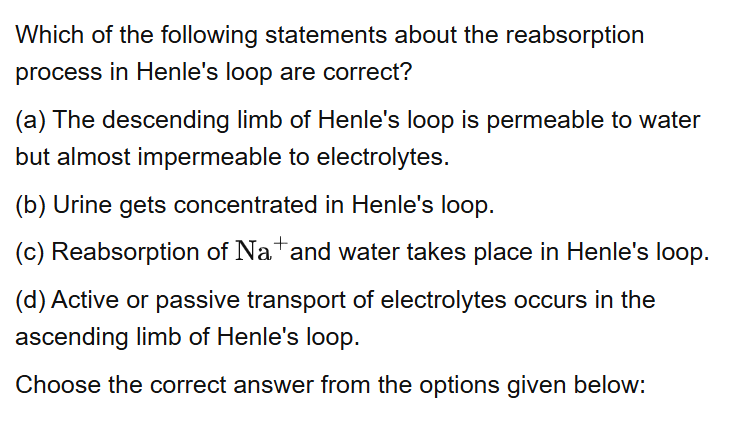
A. (a), (b) and (d) only
B. (a) and (b) only
C. (b), (c) and (d) only
D. (a), (b) and (c) only
View answer and available explanation
Correct Option: A
Answer A follows the ExamSIDE indexed key. See the credited source; not independently verified against an official final key.
Q168Biology
Given below are two statements : one is labelled as Assertion A and the other is labelled as Reason R.
Assertion A : The logistic growth model of populations is considered more realistic than the exponential growth model.
Reason R: Resources are finite.
In the light of the above statements, choose the most appropriate answer from the options given below :
A. 
B. 
C. 
D. 
View answer and available explanation
Correct Option: B
Answer B follows the ExamSIDE indexed key. See the credited source; not independently verified against an official final key.
Q169Biology
Which of the following is the correct order of arrangement of vertebrate column from the head to toe?
A. Cervical vertebra, thoracic vertebra, lumbar vertebra, sacrum
B. Cervical vertebra, thoracic vertebra, sacrum, lumbar vertebra
C. Sacrum, lumbar vertebra, thoracic vertebra, cervical vertebra
D. Cervical vertebra, lumbar vertebra, thoracic vertebra, sacrum
View answer and available explanation
Correct Option: A
Answer A follows the ExamSIDE indexed key. See the credited source; not independently verified against an official final key.
Q170Biology
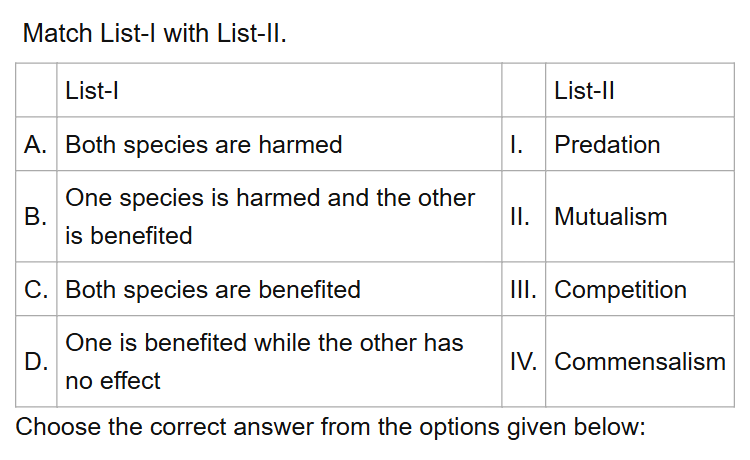
A. A-III, B-I, C-II, D-IV
B. A-III, B-IV, C-II, D-I
C. A-I, B-II, C-III, D-IV
D. A-II, B-I, C-IV, D-III
View answer and available explanation
Correct Option: A
Answer A follows the ExamSIDE indexed key. See the credited source; not independently verified against an official final key.
Q171Biology
If the diploid chromosome number of typical angiosperm is 36 , what would be the chromosome number in its endosperm?
A. 72
B. 18
C. 36
D. 54
View answer and available explanation
Correct Option: D
Answer D follows the ExamSIDE indexed key. See the credited source; not independently verified against an official final key.
Q172Biology
Which of the following enzymes synthesizes precursor mRNA?
A. DNA polymerase
B. RNA polymerase I
C. RNA polymerase II
D. RNA polymerase III
View answer and available explanation
Correct Option: C
Answer C follows the ExamSIDE indexed key. See the credited source; not independently verified against an official final key.
Q173Biology
Given below are two statements :
Statement I : Plasmids are autonomously replicating DNA.
Statement II: Plasmids are extrachromosomal DNA.
In the light of the above statements, choose the most appropriate answer from the options given below:
A. Statement I is incorrect but Statement II is correct
B. Both Statement I and Statement II are correct
C. Both Statement I and Statement II are incorrect
D. Statement I is correct but Statement II is incorrect
View answer and available explanation
Correct Option: B
Answer B follows the ExamSIDE indexed key. See the credited source; not independently verified against an official final key.
Q174Biology
How many theca are present in each lobe of a typical bilobed angiosperm anther ?
A. 12
B. 2
C. 6
D. 8
View answer and available explanation
Correct Option: B
Answer B follows the ExamSIDE indexed key. See the credited source; not independently verified against an official final key.
Q175Biology
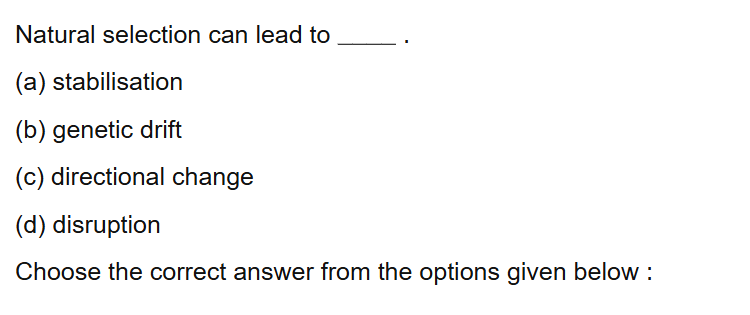
A. (a) and (c) only
B. (a) only
C. (a), (c) and (d) only
D. (a), (b), (c) and (d)
View answer and available explanation
Correct Option: C
Answer C follows the ExamSIDE indexed key. See the credited source; not independently verified against an official final key.
Q176Biology
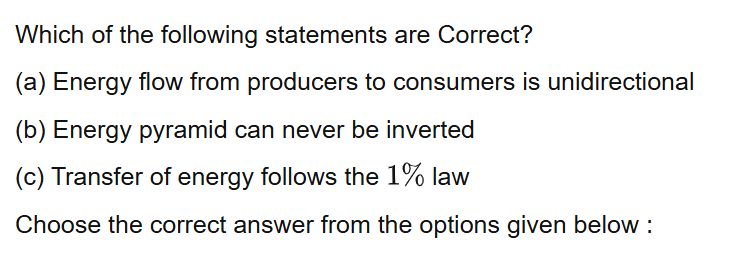
A. (b) and (c) only
B. (a), (b) and (c)
C. (a) and (b) only
D. (a) and (c) only
View answer and available explanation
Correct Option: C
Answer C follows the ExamSIDE indexed key. See the credited source; not independently verified against an official final key.
Q177Biology
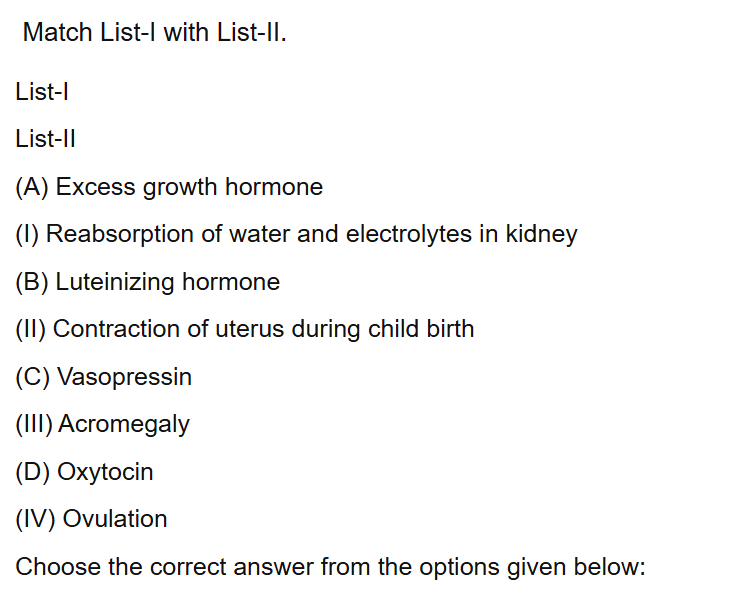
A. A-IV, B-III, C-I, D-II
B. A-III, B-IV, C-II, D-I
C. A-III, B-IV, C-I, D-II
D. A-II, B-IV, C-I, D-III
View answer and available explanation
Correct Option: C
Answer C follows the ExamSIDE indexed key. See the credited source; not independently verified against an official final key.
Q178Biology
Which of the following are secondary lymphoid organs?
(a) Bone marrow
(b) Tonsils
(c) Spleen
(d) Thymus
Choose the correct answer from the options given below:
A. (a) and (d) only
B. (a) and (b) only
C. (b) and (c) only
D. (b) and (d) only
View answer and available explanation
Correct Option: C
Answer C follows the ExamSIDE indexed key. See the credited source; not independently verified against an official final key.
Q179Biology

A. ligation
B. denaturation
C. extension
D. annealing
View answer and available explanation
Correct Option: D
Answer D follows the ExamSIDE indexed key. See the credited source; not independently verified against an official final key.
Q180Biology
Given below are two statements :
Statement I : Down's syndrome is caused by the absence of one of the X-chromosomes.
Statement II : Turner's syndrome is caused by the presence of an additional copy of the chromosomes.
In the light of the above statements, choose the correct answer from the options given below:
A. Statement I is incorrect but Statement II is correct
B. Both Statement I and Statement II are correct
C. Both Statement I and Statement II are incorrect
D. Statement I is correct but Statement II is incorrect
View answer and available explanation
Correct Option: C
Answer C follows the ExamSIDE indexed key. See the credited source; not independently verified against an official final key.